


Meditation is not about forcing yourself into an uncomfortable shape. It is about creating the conditions for stillness, presence, and natural awareness. In meditation, posture forms the foundation. It aligns the body so the mind can settle more easily.
Over my 30-plus years of practice and clinical work, I have found that three postures cover nearly every situation. These are traditional seated on the floor, seated in a chair, and standing. You can also use laying down on your back, but that requires little to no instruction. Each has its own strengths, yet all can lead to the same deep state of meditative awareness.
Here is how to practice each one correctly.
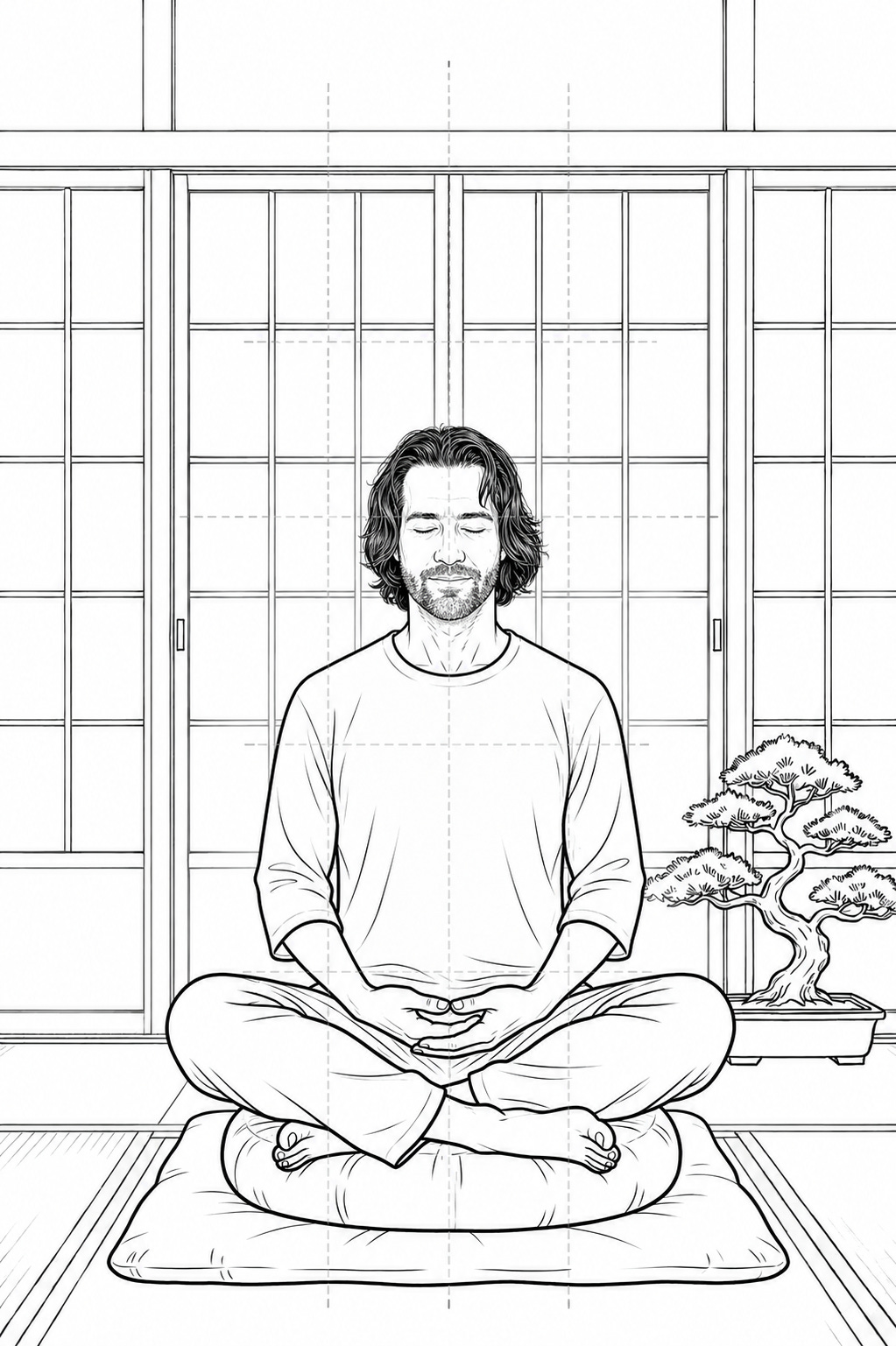
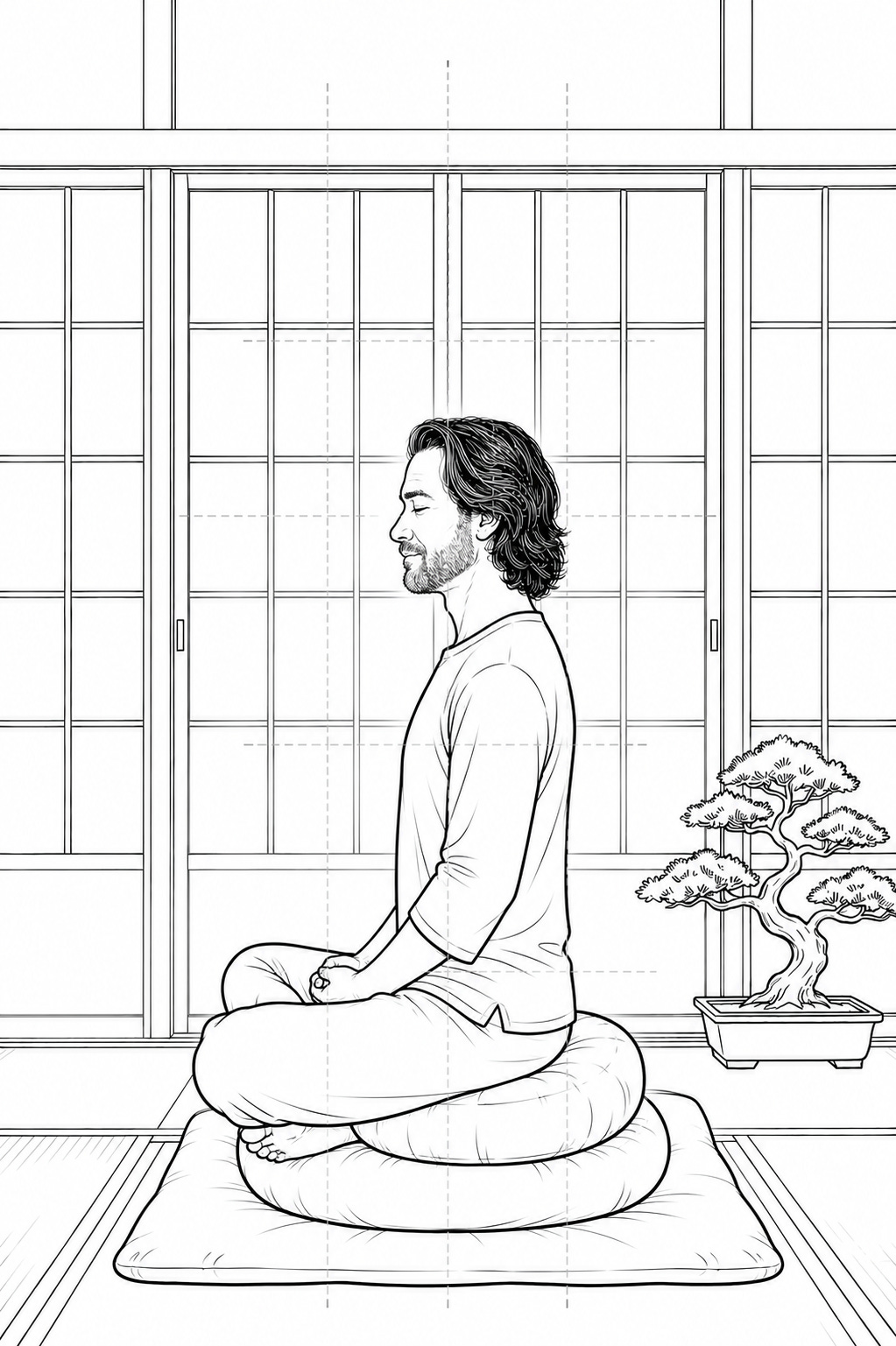
Seated on the Floor
This is the classic posture most people picture when they think of meditation.
Sit on a firm cushion or folded blanket so your hips sit slightly higher than your knees. Choose a leg position that works for your body: full lotus, half-lotus, or Burmese, with both feet tucked under the opposite thighs. Rest your hands in your lap with right hand in the left with thumbs lightly touching.
Sit forward on your sit bones. Lengthen your spine upward as if a thread gently pulls the crown of your head toward the ceiling, and let your shoulders relax downward. Keep your chin slightly tucked and your eyes half-closed, gazing softly three to four feet ahead on the floor.
Key alignment points include ears over shoulders and shoulders over hips. Your spine should feel tall but not rigid, like a stack of coins balanced gently.
This posture creates a stable base that supports longer sits and naturally engages core awareness. Many practitioners notice improved energy flow and a stronger sense of grounded presence. If your knees sit high or your back rounds, add more height under your hips or try a meditation bench.
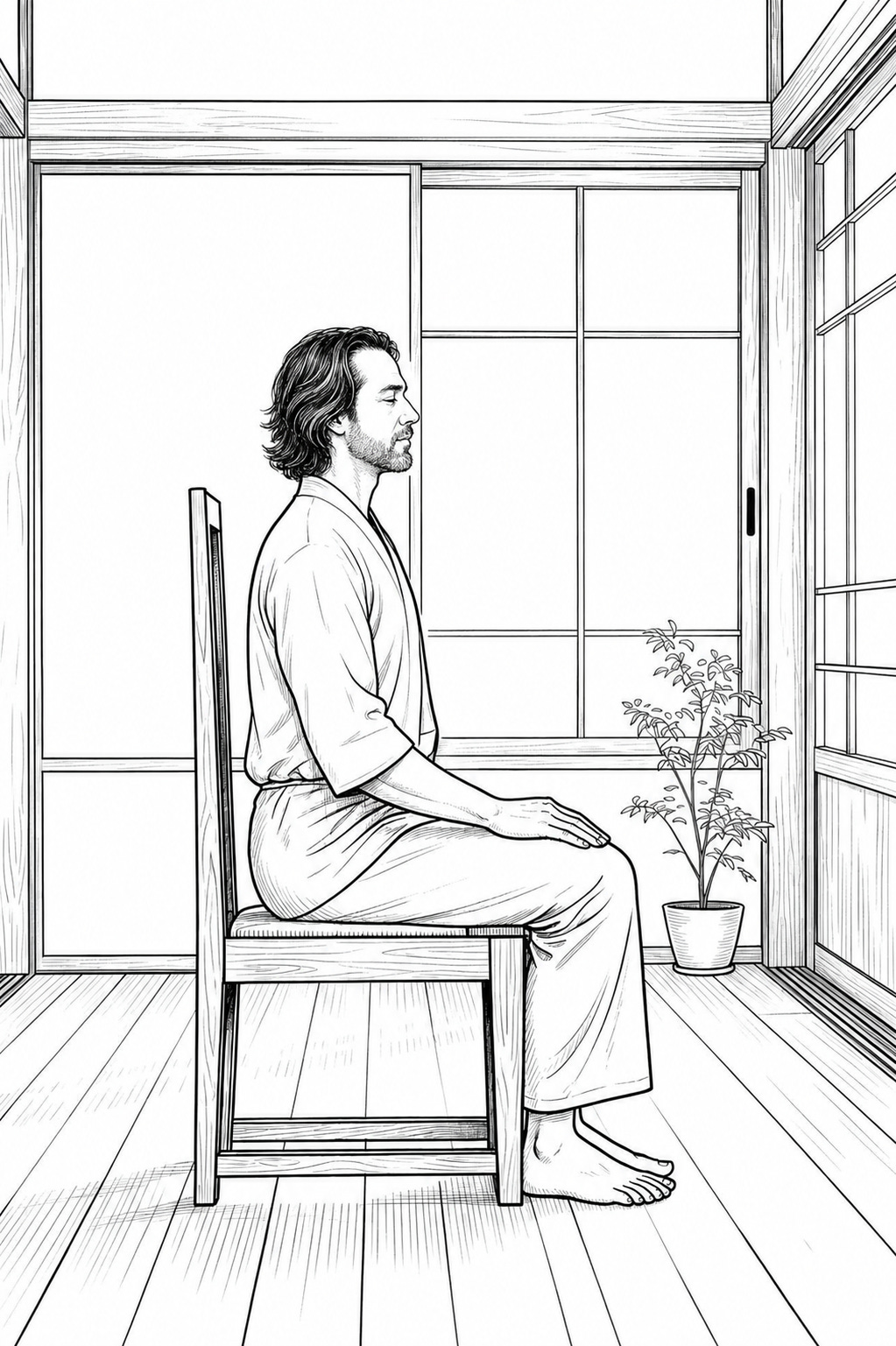
Seated in a Chair
This posture is just as legitimate as floor sitting and often more sustainable, especially for those with knee, hip, or back issues.
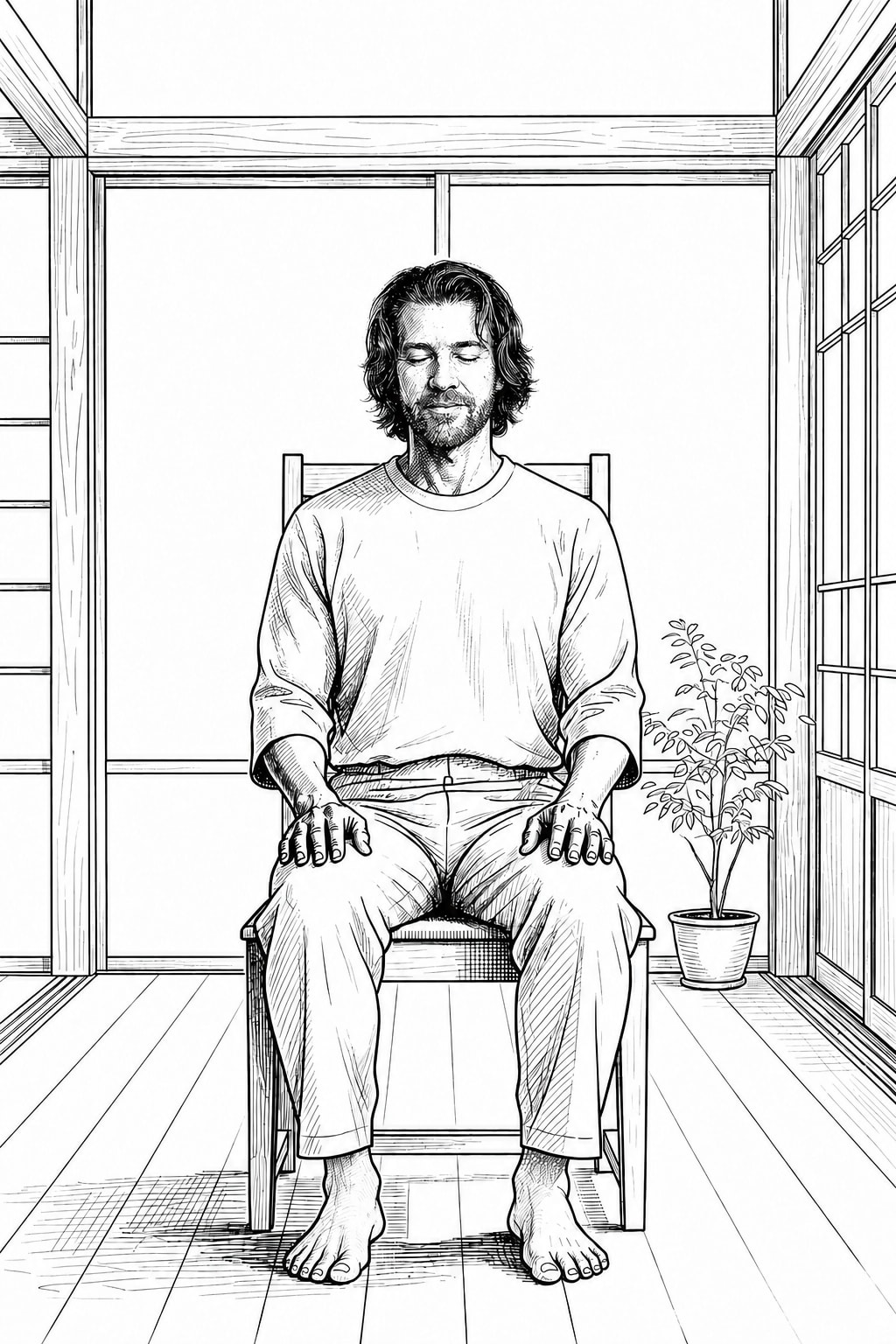
Choose a straight-backed chair. Avoid deep couches or office chairs that encourage slouching. Sit forward on the edge of the seat so your back does not lean against the backrest. Place your feet flat on the floor about shoulder-width apart. Rest your hands on your thighs, palms down or up, or in a relaxed mudra.
Lengthen your spine upward, relax your shoulders, and balance your head as if suspended from above. Keep your eyes gently half-closed with a soft downward gaze.
The alignment principles remain the same as floor sitting: tall spine, relaxed shoulders, and a grounded base. The chair simply provides support while you stay alert and upright. This makes the practice accessible to almost everyone. It works especially well for beginners, older practitioners, or quick sessions during work breaks.
Keep your thighs parallel to the floor or slightly angled. If your feet do not reach the ground comfortably, place a small block or books underneath.
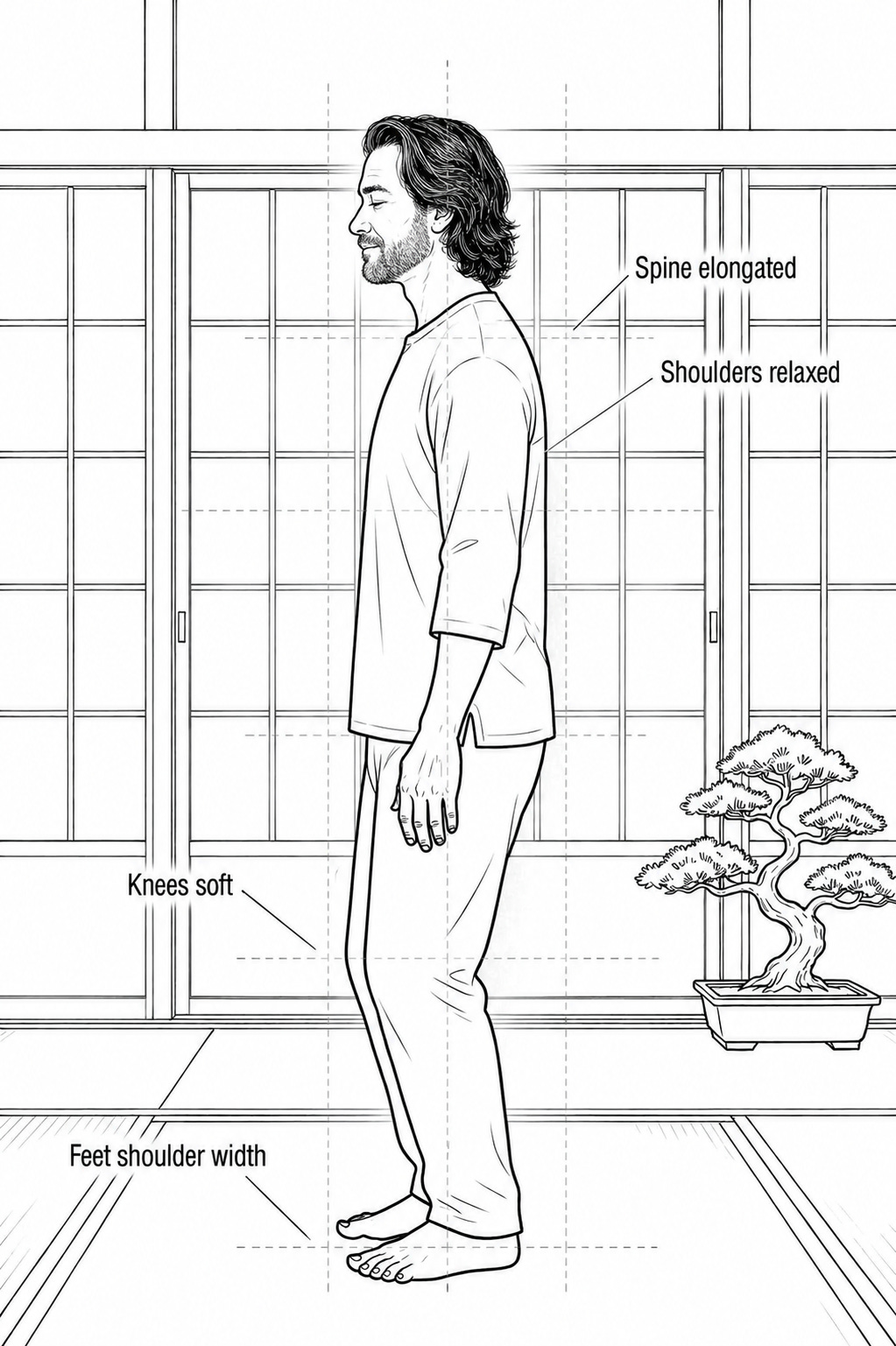
Standing Meditation
Also known as Standing Like a Tree/Post, this posture builds tremendous stability, stamina, and embodied presence.
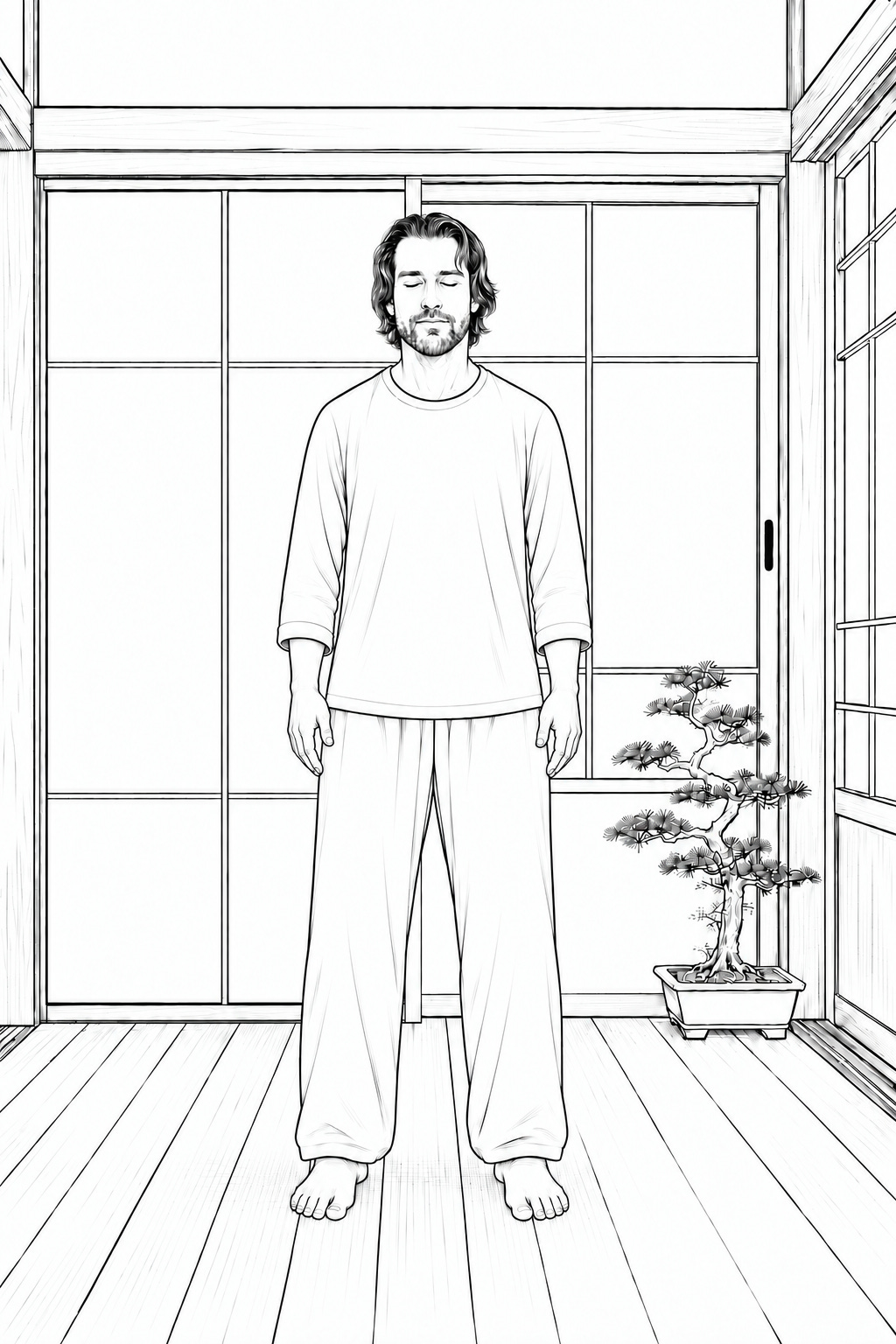
Stand with your feet shoulder-width apart and knees softly bent. Never lock the knees. Distribute your weight evenly across the soles of your feet. Lengthen your spine upward while relaxing your shoulders and lower back. Let your arms hang naturally at your side, loose and relaxed. Keep your eyes half-closed with a soft gaze and a calm, alert expression.
Focus on rooted feet, soft knees, a relaxed yet upright spine, and rounded arms that create gentle expansion without tension. Start with five to ten minutes and gradually increase the time. The posture should feel stable and alive, never forced.
This practice strengthens the legs and core, improves circulation, and helps many people feel qi sensations more clearly.
Common Principles Across All Three Postures
Keep the spine tall and naturally extended, never rigid. Relax the shoulders and face. Tension here is one of the biggest obstacles for most beginners. Half-closed eyes help balance inward focus with outward awareness. Let your breath remain natural at first. Over time you can explore gentle abdominal breathing or the practices in the Inner Resonance app. When thoughts arise, gently return to posture and breath without judgment.
Which Posture Should You Use?
Choose whatever allows you to sit or stand with peace and steadiness for the length of your practice. Many people rotate between all three during a single session or across the week. The best posture is simply the one you will actually practice consistently.
Posture is not the goal. It is the gateway. When the body is aligned and at ease, the mind has a much better chance of finding stillness.
Discover Inner Resonance
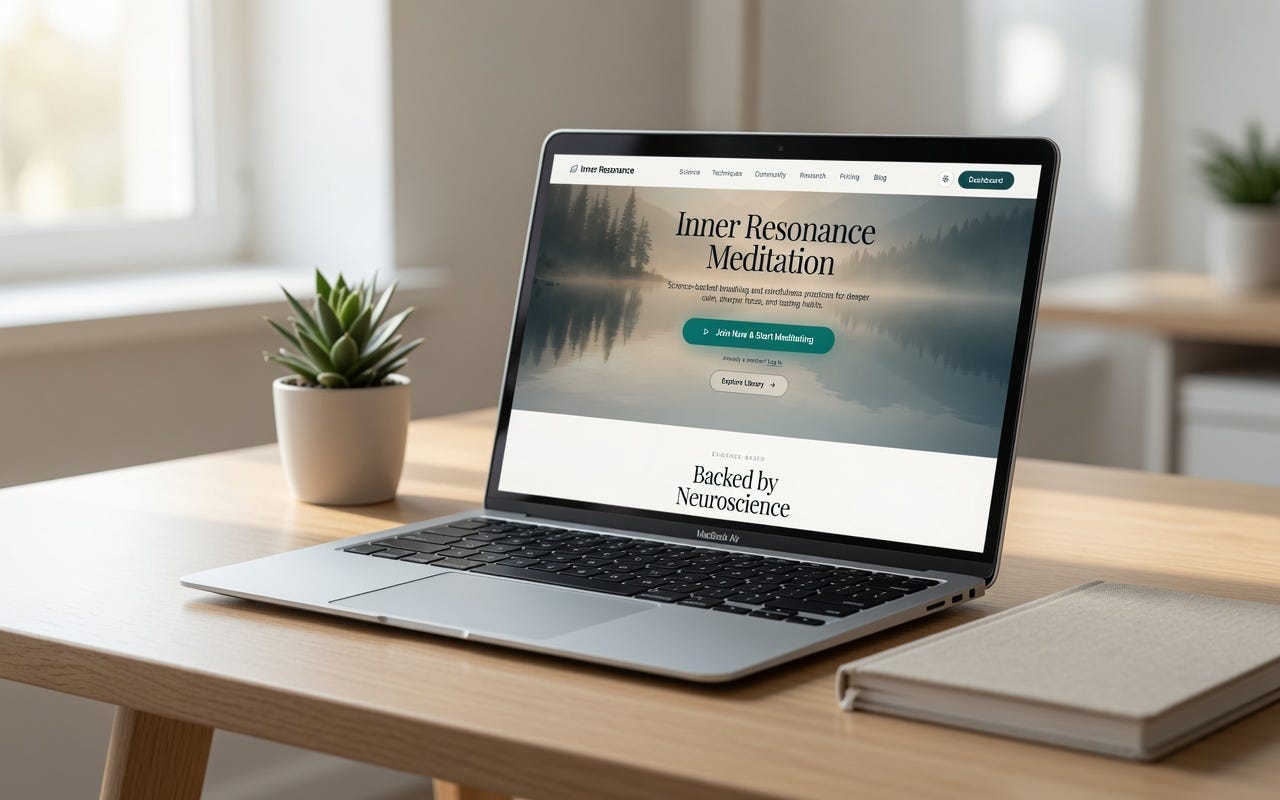
My new science-backed breathwork and meditation app is now live as a web-based app. I built it from more than thirty years of qigong and meditation experience, blended with insights from neurology, peer-reviewed research on meditation, and cellular health. Inner Resonance delivers targeted breathing methods and guided sessions to support nervous system balance, sleep, focus, and everyday resilience.
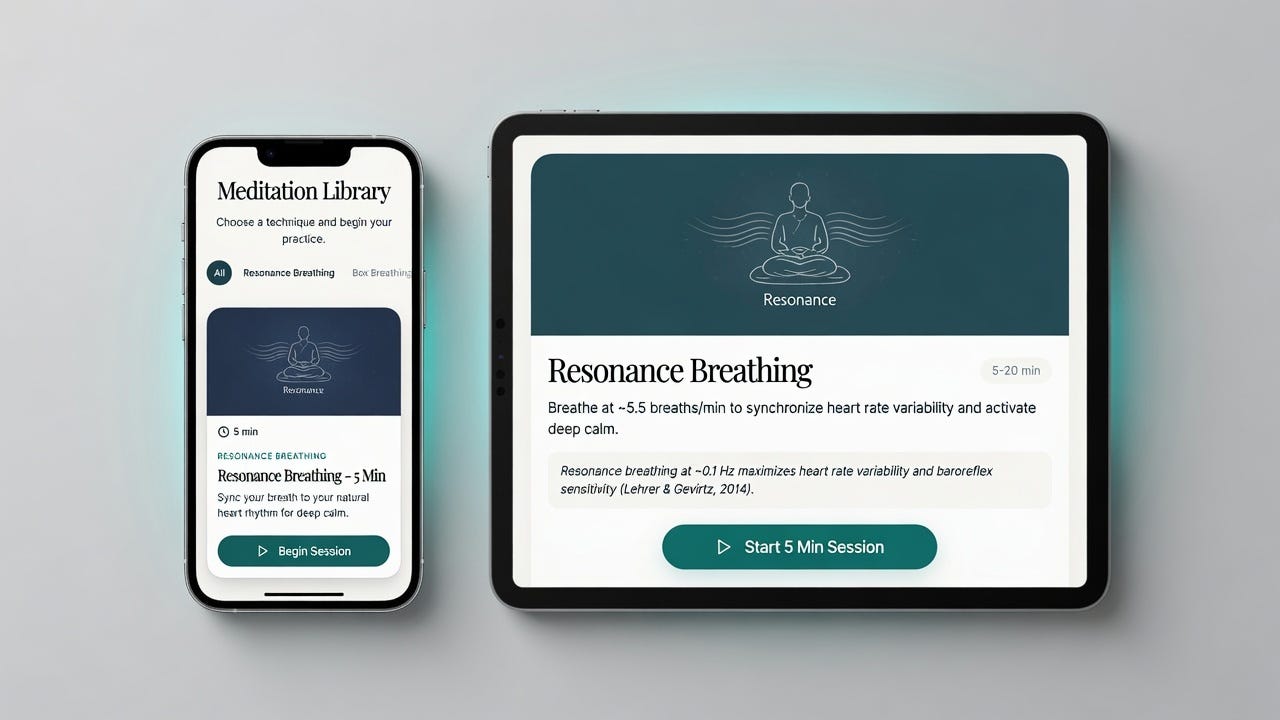
You get progress tracking, streaks, and offline access. It runs smoothly across phones, tablets, and laptops so you can practice wherever life takes you. A free 7 day trial lets you explore the entire app including: the core evidence-based meditations, along with premium guided practices available to the complete experience.
At 71, the meditation bench works really well for me. A folding three-legged camping stool, the kind with a triangular fabric seat works better than any chair I have ever found for my body, but I am just under 5'4" so that's no doubt part of it.