

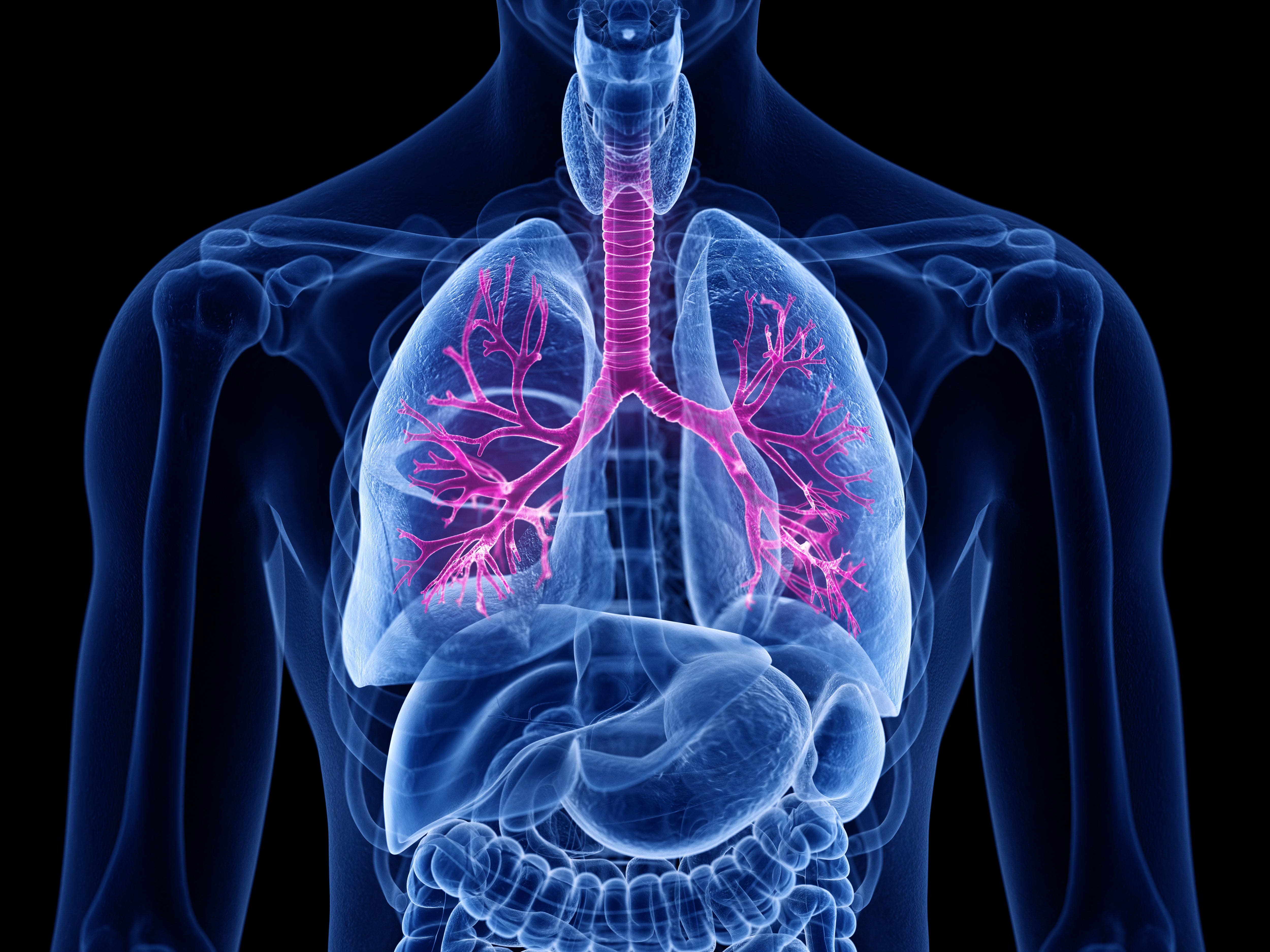
In a 2022 study published in Complementary Therapies in Medicine, Xu and colleagues examined whether Liuzijue Qigong, commonly known as Six Healing Sounds Qigong, can improve health outcomes in patients with chronic obstructive pulmonary disease (COPD). Liuzijue is a traditional breathing practice in which practitioners produce six distinct exhalation sounds—Xu, He, Hu, Si, Chui, and Xi—while performing gentle coordinated movements. These sounds structure slow breathing patterns and are traditionally associated with regulating internal organ function.
The researchers conducted a systematic review and meta-analysis to evaluate whether this practice provides measurable benefits when used alongside conventional COPD treatment. COPD remains one of the most common chronic respiratory diseases worldwide and continues to pose a significant public health challenge. Many patients experience persistent breathlessness, reduced exercise capacity, and declining quality of life despite standard medical care.
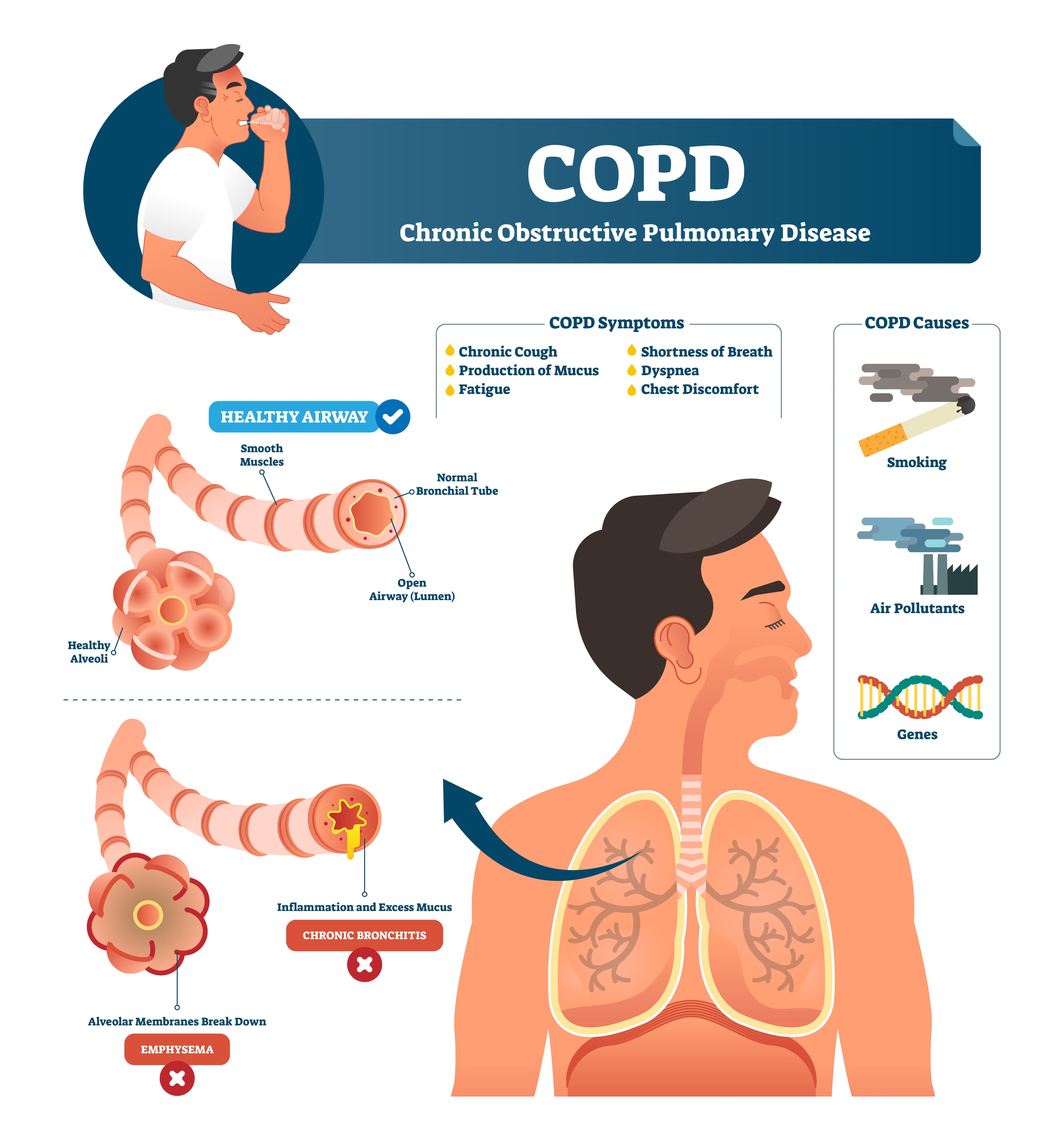
What is COPD?
COPD is characterized by persistent airflow limitation and recurrent respiratory symptoms. Over time, patients often develop reduced exercise tolerance, respiratory muscle weakness, and systemic complications that affect both physical and psychological well-being. These changes frequently lead to progressive inactivity and declining functional capacity.
Although pharmacological therapies can relieve symptoms and reduce acute exacerbations, they do not fully reverse the gradual loss of lung function. As a result, pulmonary rehabilitation has become an important component of COPD management. Exercise therapy in particular has been shown to improve functional capacity and daily activity levels.
Within this context, researchers have become increasingly interested in traditional mind–body exercises such as Qigong. These practices combine breathing regulation, slow movement, and mental focus, which together may support respiratory mechanics and general physical conditioning.
What the Researchers Did
The investigators performed a systematic review and meta-analysis of randomized controlled trials examining the effects of Liuzijue Qigong in patients with COPD. Multiple English and Chinese databases were searched, including PubMed, Embase, the Cochrane Central Register of Controlled Trials, and several Chinese academic databases.
Studies were included if they met several criteria. Participants had to have a confirmed diagnosis of COPD based on established clinical guidelines. The experimental group practiced Liuzijue Qigong, either alone or alongside routine medical treatment. Control groups received routine care or other exercise interventions.
The researchers extracted data from the included studies and analyzed several outcome categories. These included lung function measures such as forced expiratory volume in one second and the ratio of forced expiratory volume to forced vital capacity. Exercise capacity was evaluated using tests such as the six-minute walking distance and the 30-second sit-to-stand test. Additional outcomes included symptom severity, mental health measures, and quality-of-life questionnaires.

What Changed
The meta-analysis included 40 randomized controlled trials involving 3,137 participants. These studies were published between 2008 and 2020, and most were conducted in China.
Across the pooled results, several consistent improvements were observed in the Liuzijue Qigong groups compared with control groups.
Measures of lung function improved modestly. Forced expiratory volume in one second increased, and the ratio of forced expiratory volume to forced vital capacity also improved, indicating better airflow through the lungs.
Exercise capacity also improved. Participants practicing Liuzijue Qigong walked farther in the six-minute walking test and performed more repetitions in the sit-to-stand test.
Symptom severity decreased as well. Scores measuring breathlessness and COPD symptom burden declined in the Qigong groups. Quality-of-life scores improved, and psychological measures such as anxiety and depression also showed reductions.
Longer intervention periods produced larger improvements in some outcomes, particularly walking distance and symptom scores.
Understanding the Numbers
The pooled data from the meta-analysis show several measurable improvements. Lung function improved modestly but consistently. Forced expiratory volume in one second (FEV1), a key measure of how much air a person can forcefully exhale in one second, increased by 0.17 liters on average. The percentage of predicted normal FEV1 improved by about 6 percentage points, and the ratio of FEV1 to forced vital capacity increased by about 7 percent. These changes indicate that airflow obstruction was slightly reduced. Exercise capacity also improved.
Participants practicing Liuzijue Qigong walked about 33 meters farther during the six-minute walking test, a commonly used measure of functional endurance in respiratory disease. In the 30-second sit-to-stand test, which measures lower-body strength and functional mobility, participants performed about 2 to 3 additional repetitions. Symptom scores improved as well. The COPD Assessment Test decreased by about 2 points, and breathlessness scores on the modified Medical Research Council scale decreased by about one-third of a point, indicating slightly less perceived shortness of breath.
Measures of psychological health also improved, with anxiety scores decreasing by about 2.3 points and depression scores decreasing by about 2 points on standardized clinical scales. Quality of life improved as well, with scores on the St. George’s Respiratory Questionnaire improving by nearly 7 points, which represents a meaningful change for many patients with chronic lung disease.
Clinical Interpretation
In pulmonary medicine, changes of this size are generally considered meaningful for patients with chronic lung disease. For example, improvements of about 25–35 meters in the six-minute walking test and 4 points in the St. George’s Respiratory Questionnaire are often used as benchmarks for clinically noticeable improvement. The changes observed in this analysis fall within or close to these ranges, suggesting that the improvements associated with Liuzijue Qigong may represent real functional benefits rather than small statistical effects.
Mechanism and Interpretation
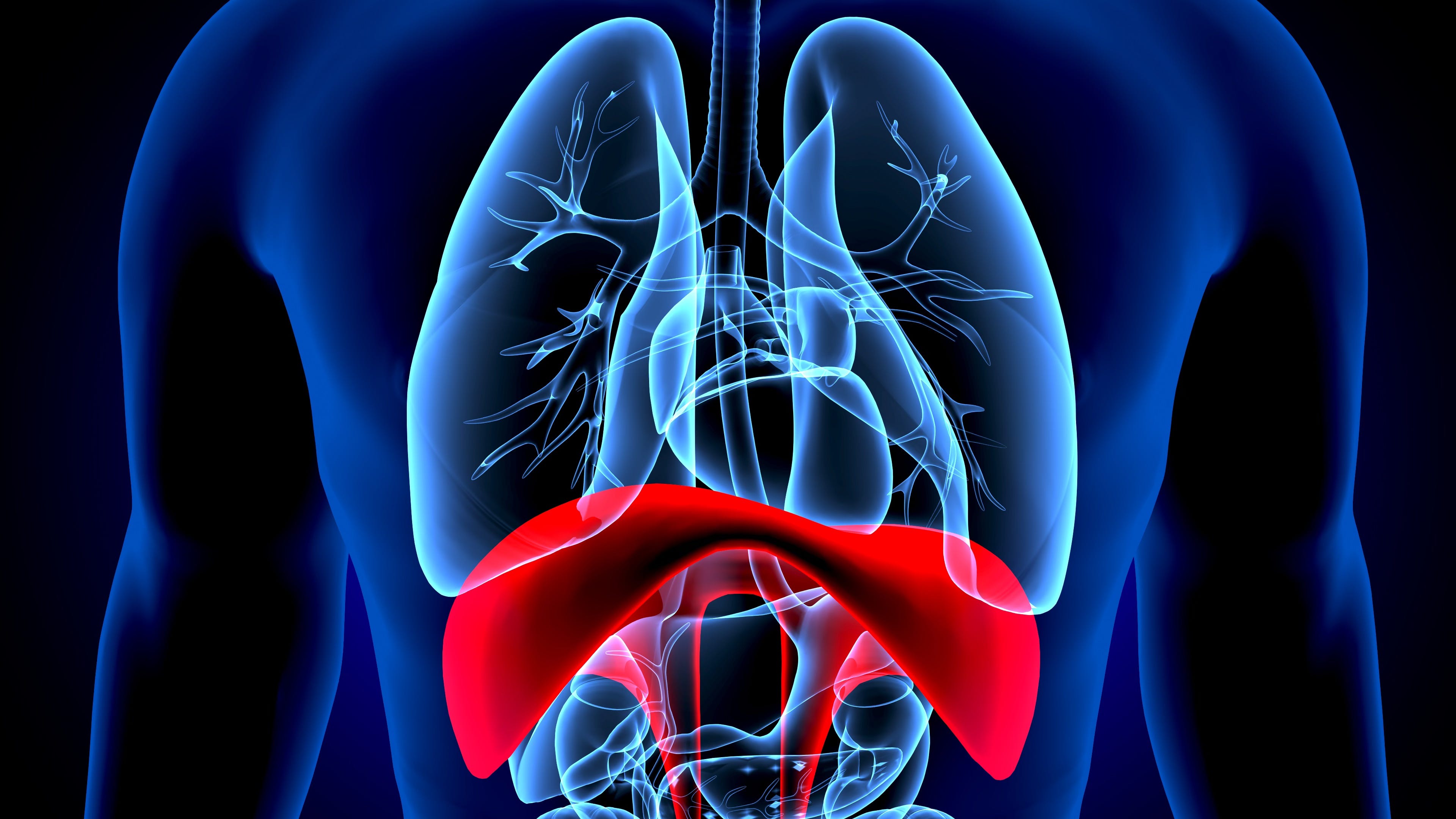
Liuzijue Qigong combines abdominal breathing and pursed-lip breathing with slow coordinated body movements. These breathing patterns slow the expiratory airflow and may improve gas exchange in individuals with obstructed airways.
The prolonged exhalation involved in producing the six sounds helps regulate breathing rhythm and may reduce air trapping, which is a common problem in COPD. At the same time, the accompanying movements provide mild aerobic activity and engage the muscles of the limbs and trunk.
This combination addresses several physiological components simultaneously. Respiratory muscles are trained through controlled breathing. Gentle movement improves circulation and muscular endurance. The structured rhythm of the practice may also promote relaxation and reduce psychological stress.
System-Level Framing
COPD affects multiple physiological systems. Beyond impaired lung function, patients often experience decreased physical capacity, fatigue, emotional distress, and reduced quality of life.
Liuzijue Qigong appears to influence several of these domains at the same time. Improvements in lung function may contribute to better breathing during activity. Increased exercise tolerance may allow patients to remain more physically active. Improvements in anxiety and depression scores suggest potential psychological benefits as well.
When these changes occur together, the overall functional capacity of the patient may improve even if individual physiological changes are relatively modest.
Limitations
Despite the large number of studies included in the meta-analysis, several limitations were noted. Many trials varied in intervention duration, frequency of practice, and study design. These differences introduced statistical heterogeneity across studies.
In addition, all of the included trials were conducted in China, which may limit generalization to other populations. Some studies also had relatively small sample sizes or lower methodological quality according to the Jadad assessment scale.
Because exercise interventions cannot easily be blinded, participant expectations may also influence some subjective outcomes.
Final Perspective
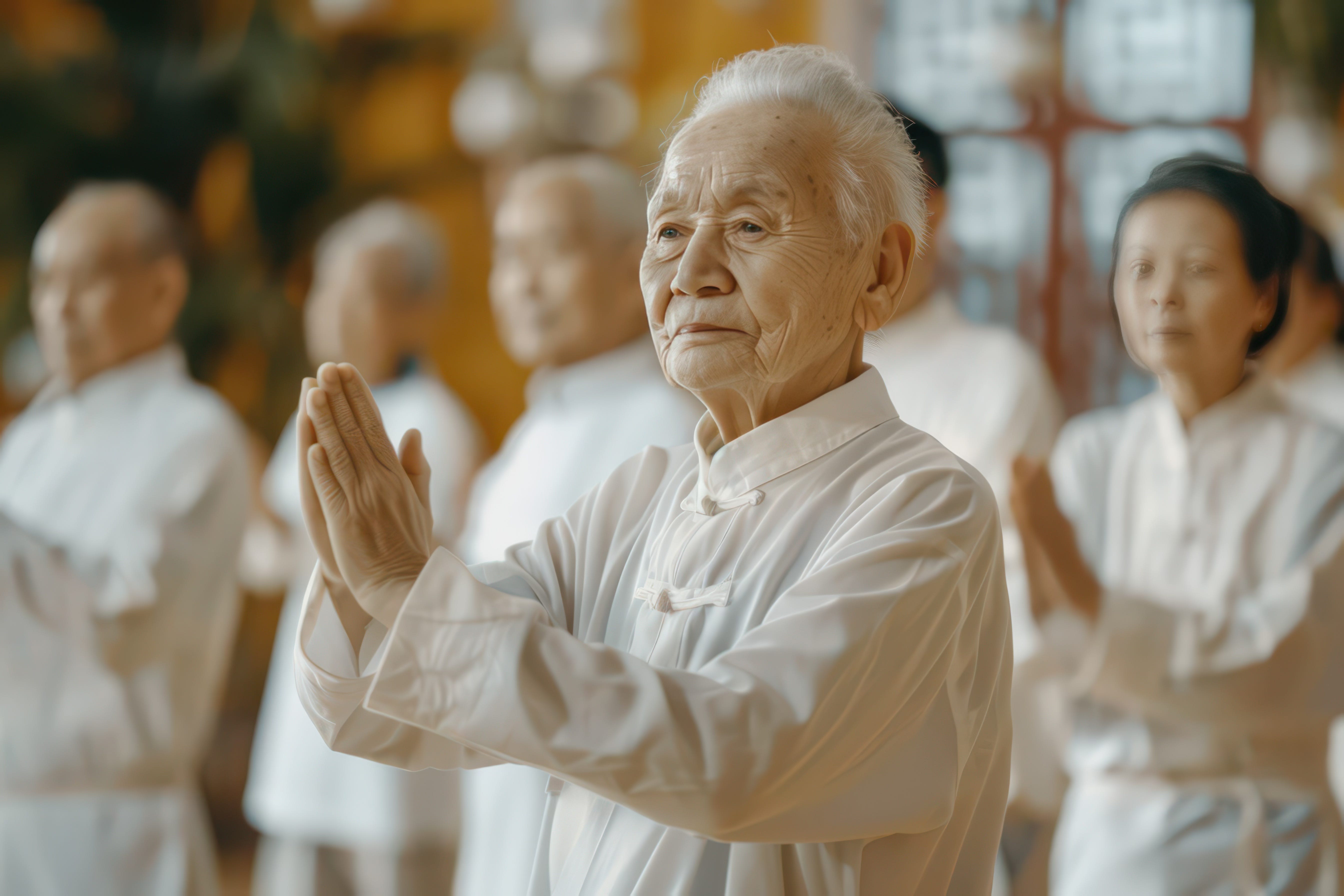
This systematic review suggests that Liuzijue Qigong may serve as a useful adjunct therapy for patients with COPD. The pooled evidence indicates improvements in lung function, exercise capacity, symptom burden, and quality of life.
While these findings require further confirmation through large, well-designed trials, the results support the potential role of structured breathing and gentle movement practices within pulmonary rehabilitation programs.
Reference
Xu, S., Zhang, D., He, Q., Ma, C., Ye, S., Ge, L., Zhang, L., Liu, W., Chen, Z., & Zhou, L. (2022). Efficacy of Liuzijue Qigong in patients with chronic obstructive pulmonary disease: A systematic review and meta-analysis. Complementary Therapies in Medicine, 65, 102809

Like what you read? Keep exploring…

If this post resonated with you, you may enjoy my new book:
The Science of Medical Qigong: How Breath, Movement, and Attention Transform the Body
This book examines the growing body of scientific research exploring how Qigong practice influences human physiology. Drawing from clinical trials and experimental studies, it explains how coordinated breathing, posture, movement, and focused attention interact with the body’s regulatory systems.
The book explores research on:
• autonomic nervous system regulation
• cardiovascular function and blood pressure
• respiratory mechanics and lung capacity
• sleep quality and recovery
• inflammatory and immune signaling
• brain function and neural plasticity
• cognitive performance and mental health
Rather than presenting Qigong through mystical language, The Science of Medical Qigong approaches the subject through physiology, neuroscience, and clinical research, offering a clear explanation of how regular practice can influence the coordination and harmony of the body’s systems.
Available now in print, Kindle, and audiobook formats.
Click here to get your copy on Amazon