

When Standard Exercise Feels Out of Reach
When people think about exercise for heart failure, they often imagine treadmills, cycling machines, or structured rehabilitation programs supervised in clinical settings. Those approaches can be valuable, but they are not always realistic for every patient. Many people living with chronic heart failure deal with fatigue, breathlessness, reduced stamina, and a nervous system that already feels overworked. In those cases, the barrier is not knowing exercise is helpful. The barrier is finding a form of exercise the body can actually tolerate.
That is where traditional Chinese exercise enters the conversation.
A major 2026 umbrella review and meta-analysis published in Reviews in Cardiovascular Medicine examined whether systems such as Tai Chi, Baduanjin, Liuzijue, Yijinjing, and related Qigong practices may help people with chronic heart failure. Rather than looking at one isolated study, the researchers gathered the larger body of evidence and reassessed the results. Their conclusion was cautious but encouraging: these gentle mind-body exercises may offer meaningful benefits when added to standard care.
Heart Failure Is Often a Problem of Capacity
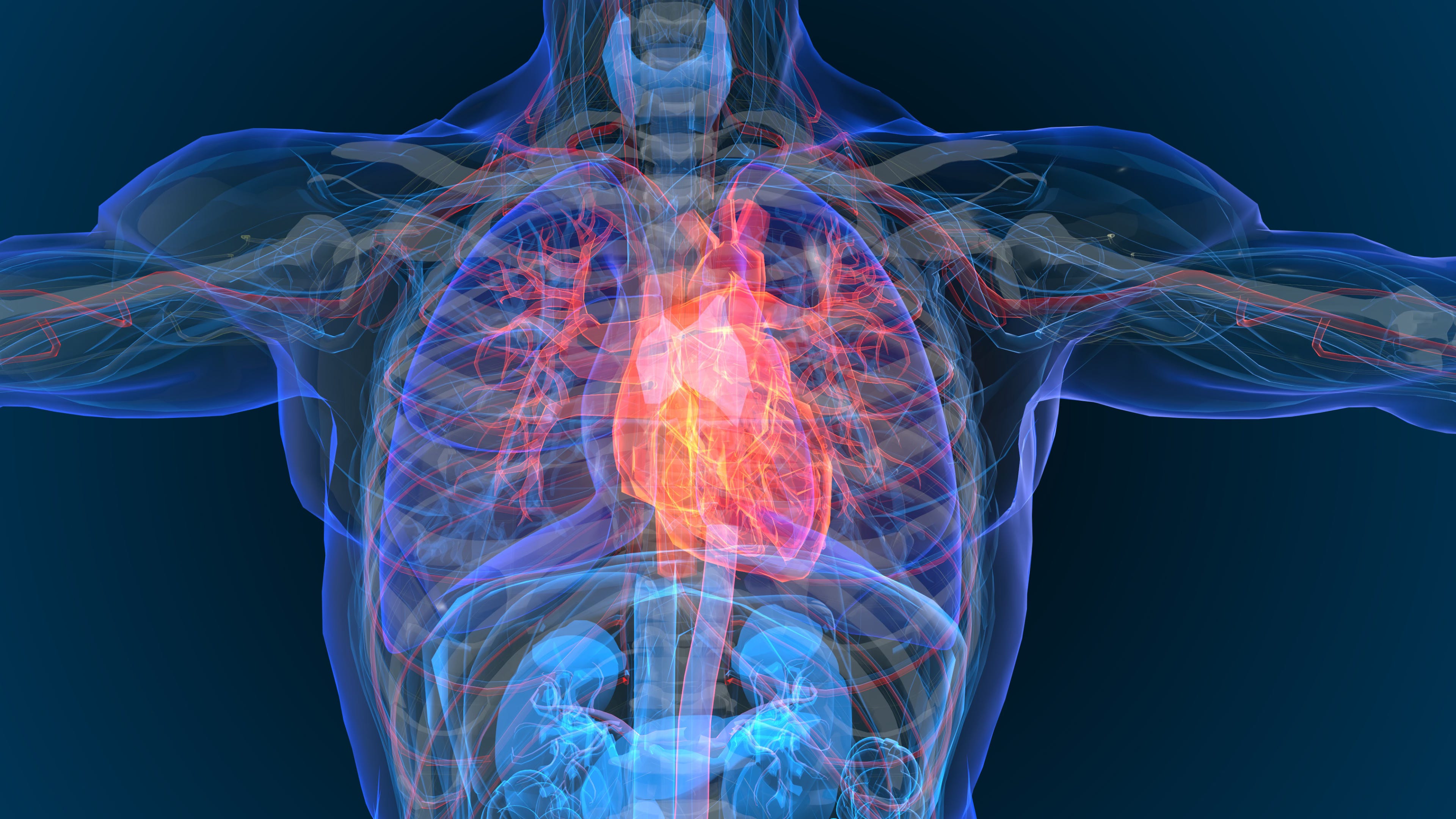
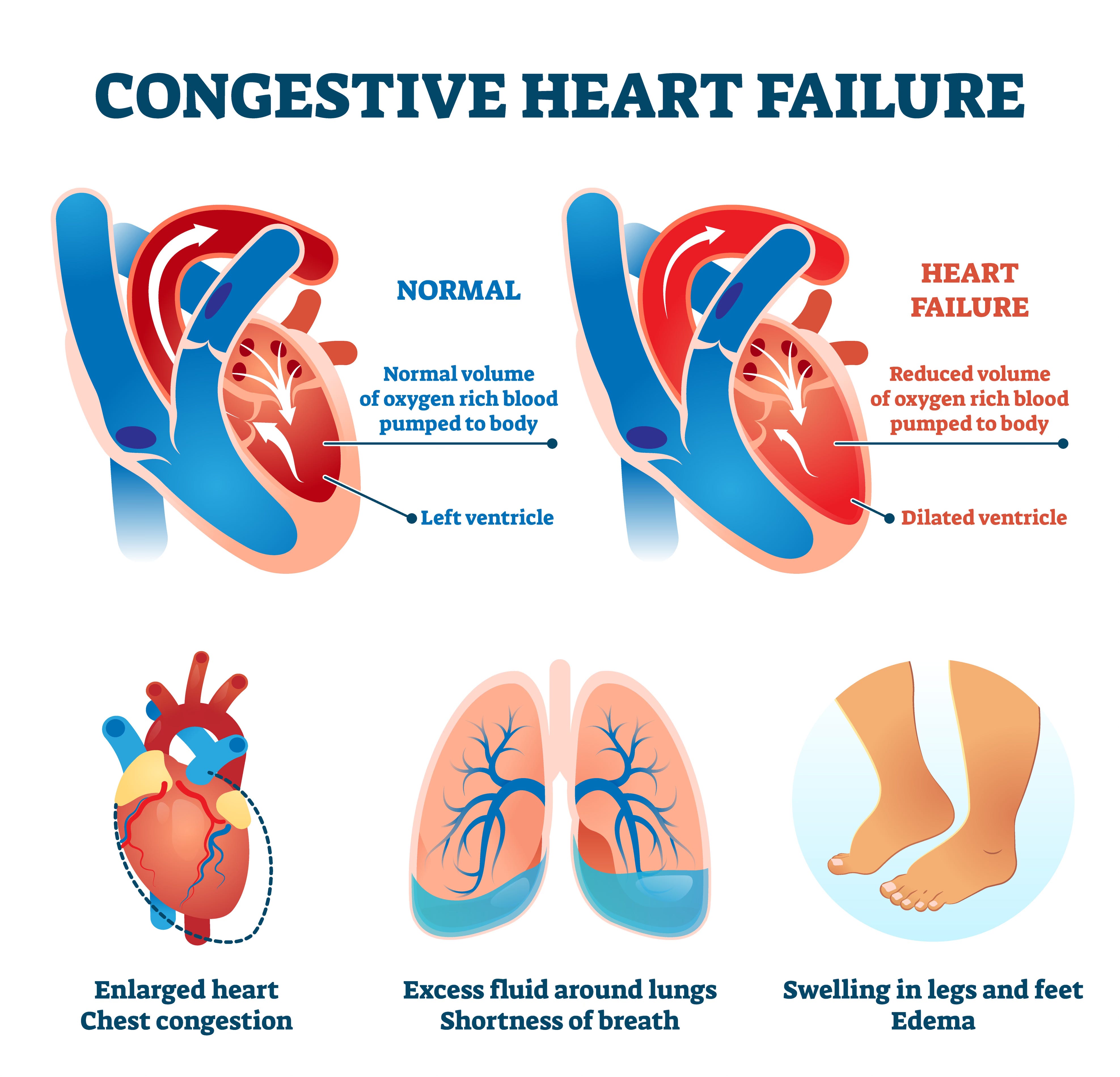
Chronic heart failure does not mean the heart has stopped working. It means the heart can no longer pump blood efficiently enough to meet the body’s needs. Over time, this often leads to reduced exercise tolerance, swelling, weakness, lower quality of life, repeated hospitalizations, and a sense that ordinary tasks have become harder than they should be.
For many patients, the condition is as much about lost capacity as it is about heart mechanics. This is why rehabilitation matters so much. Improving function can change daily life.
What This Review Looked At
The researchers reviewed 15 previous systematic reviews and meta-analyses, representing 65 randomized controlled trials. These studies compared patients receiving standard medical care alone versus those receiving standard care plus traditional Chinese exercise.
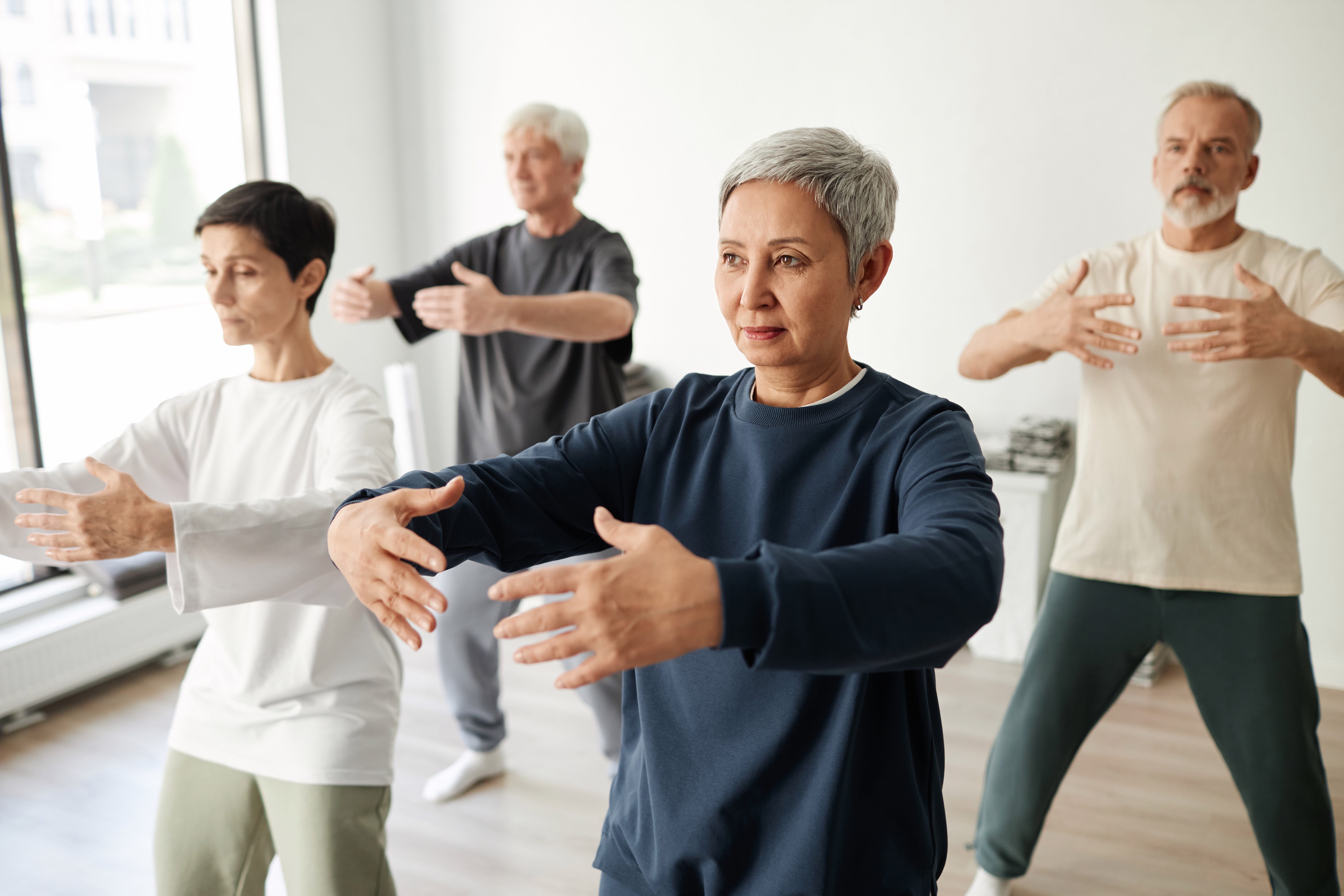
The practices varied, but most involved slow coordinated movement, breathing regulation, postural control, and focused attention.
Patients Walked Farther
One of the clearest findings involved the six-minute walk test. This is a common clinical measure that asks a simple question: how far can a patient walk in six minutes? It reflects real-world endurance more than abstract fitness theory.
The re-analysis found that patients practicing these exercises improved their walking distance by roughly 53 meters on average compared with control groups.
That may not sound dramatic until you translate it into lived experience. It can mean walking farther without stopping, climbing stairs with less distress, tolerating errands more comfortably, or regaining confidence in movement.
Quality of Life Improved
The review examined scores from the Minnesota Living with Heart Failure Questionnaire, a tool designed to measure how much heart failure interferes with daily life. Patients practicing traditional Chinese exercise showed significantly better scores than controls.
That matters because heart failure is not only a mechanical disorder. It affects mood, independence, sleep, social confidence, and emotional resilience.
Signs of Better Cardiac Function
The researchers also found improvement in left ventricular ejection fraction, often shortened to LVEF. This is one measure of how effectively the heart pumps blood with each beat.
Across pooled studies, traditional Chinese exercise was associated with an average increase of about 4 percentage points.
No single metric tells the whole story of heart failure, but improved pumping efficiency alongside better walking capacity and quality of life creates a meaningful pattern.
Lower Markers of Cardiac Stress
Another important finding involved BNP and NT-proBNP, blood markers commonly used in heart failure care. These markers tend to rise when the heart is under strain.
The review found reductions in these values, especially in some Baduanjin studies.
Lower values may reflect reduced cardiac stress or improved functional status.
Why Gentle Exercise May Work
Part of the answer likely lies in autonomic regulation. Heart failure is often associated with excessive sympathetic activation, the stress-driven branch of the nervous system that increases heart rate, vascular tension, and physiological strain.
Traditional Chinese exercise uses slow breathing, controlled movement, and steady attention, all of which may help shift the body toward greater parasympathetic tone, the branch associated with recovery and regulation.
Breathing mechanics may also matter. Many of these practices emphasize diaphragmatic breathing, slower respiratory rhythms, and coordination between breath and movement. Better breathing efficiency can reduce perceived exertion and support circulation.
There may also be psychological effects. Patients with chronic heart failure commonly develop fear of exertion. Gentle structured exercise can rebuild trust in the body.
No Single Style Won Every Category
One interesting feature of the review was that no single style dominated every category.
Tai Chi performed consistently across several outcomes. Baduanjin appeared especially strong for some heart-failure biomarkers. Yijinjing showed promising effects on aerobic capacity, though with fewer studies. Liuzijue also showed value in some functional measures.
The best system may not be one universal method. It may be the method a person can learn, tolerate, enjoy, and continue.
Important Cautions
The researchers were appropriately cautious. Many of the included studies were small. Methods varied. Intervention lengths differed. Much of the research came from China.
Overall evidence quality ranged from low to moderate, and the authors called for larger, better-designed trials with longer follow-up.
Final Perspective
Even with limitations, the broader signal is worth noticing. Low-intensity movement systems that combine posture, breathing, attention, and repetition appear capable of improving several meaningful outcomes in a difficult chronic condition.
This challenges the idea that exercise must be intense to be therapeutic.
For fragile, fatigued, or medically limited patients, appropriate dosing matters more. A sustainable practice done regularly often outperforms an ideal program that never happens.
Qigong may offer exactly that kind of opportunity.
Reference
Zhao, X., Zou, R., Miao, H., Chang, X., Chinda, K., Chen, F., Zhang, M., Zhuo, J., Sun, X., Chen, Y., Li, C., He, Q., Luo, C., Kwok, T., Xu, D., Zhang, Y., Zhou, H., Fan, X., & Ong, S.-B. (2026). The efficacy of traditional Chinese exercises in patients with chronic heart failure: An umbrella review and meta-analysis. Reviews in Cardiovascular Medicine, 27(3), 46055.

Like what you read? Keep exploring…

If this post resonated with you, you may enjoy my new book:
The Science of Medical Qigong: How Breath, Movement, and Attention Transform the Body
This book examines the growing body of scientific research exploring how Qigong practice influences human physiology. Drawing from clinical trials and experimental studies, it explains how coordinated breathing, posture, movement, and focused attention interact with the body’s regulatory systems.
The book explores research on:
• autonomic nervous system regulation
• cardiovascular function and blood pressure
• respiratory mechanics and lung capacity
• sleep quality and recovery
• inflammatory and immune signaling
• brain function and neural plasticity
• cognitive performance and mental health
Rather than presenting Qigong through mystical language, The Science of Medical Qigong approaches the subject through physiology, neuroscience, and clinical research, offering a clear explanation of how regular practice can influence the coordination and harmony of the body’s systems.
Available now in print and Kindle formats.