

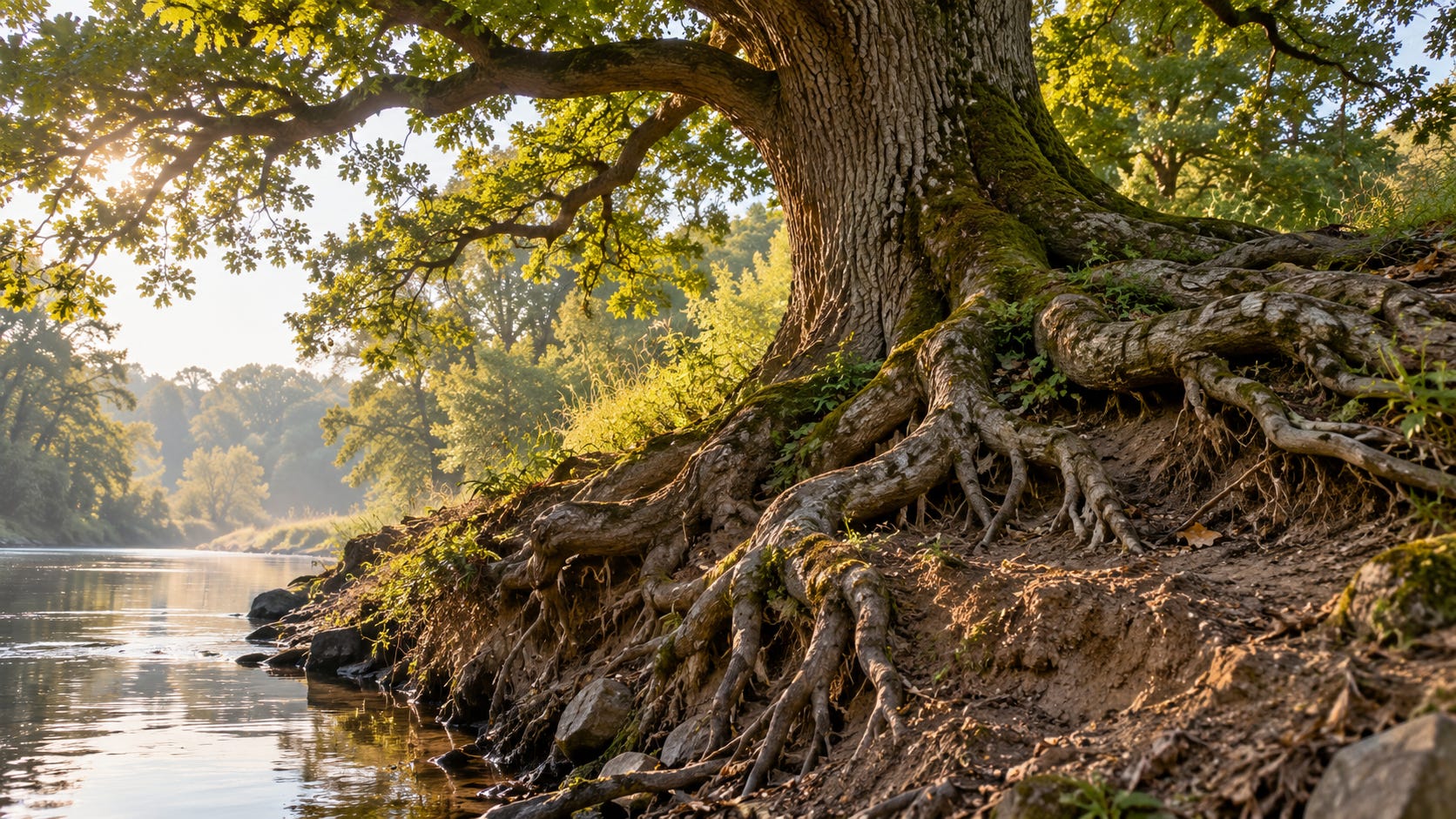
The ability to recover tells us something about our health that the ability to keep working can conceal. We may meet our obligations through a demanding week, then spend much of the weekend trying to feel rested. When this becomes familiar, it is easy to adjust our expectations and carry on. We still get things done, although doing them requires more effort and leaves less energy for anything else.
Chinese medicine paid close attention to this pattern. Daily energy mattered, but so did the strength that supported growth, reproduction, and recovery over many years. This deeper foundation was called Jing (精), usually translated as Essence.
Jing belongs to the Three Treasures, alongside Qi and Shen. Qi supplies the activity of daily life, while Shen is expressed through consciousness and awareness. Jing supports the body’s development and its capacity to endure. Classical practitioners assessed its condition through patterns of growth, reproductive maturation, the strength of bones and teeth, hearing, and recovery after illness. Their understanding depended on observing several aspects of a person’s health together and following changes over time.
The image of a root captures this idea well. A plant depends on structures we cannot see simply by looking at its leaves. Similarly, a person’s outward activity gives us only part of the picture. Someone may remain productive while finding it increasingly difficult to recover from the effort.
Chinese medicine described two sources of Jing. Prenatal Jing, also called pre-Heaven essence, is received from one’s parents at conception. It establishes the original constitution, including strengths and vulnerabilities present at the beginning of life. Postnatal Jing, or post-Heaven essence, is supported after birth through nourishment and the general conduct of life. The terms pre-Heaven and post-Heaven distinguish what we inherit before birth from what sustains us afterward.
This distinction allowed Chinese medicine to recognize inheritance while leaving considerable room for the influence of daily habits. A strong constitution could be worn down by prolonged strain. A more delicate constitution could be supported through steady care. Two people might perform similar work and sleep for the same number of hours yet recover differently. Within the traditional model, part of that difference belonged to the constitution each had inherited.
A schedule that suits one person may leave another persistently tired. Seeing someone else manage long hours can make us expect the same of ourselves, even when we struggle to recover afterward. How rested we feel between periods of work helps us judge whether we can sustain that pace.
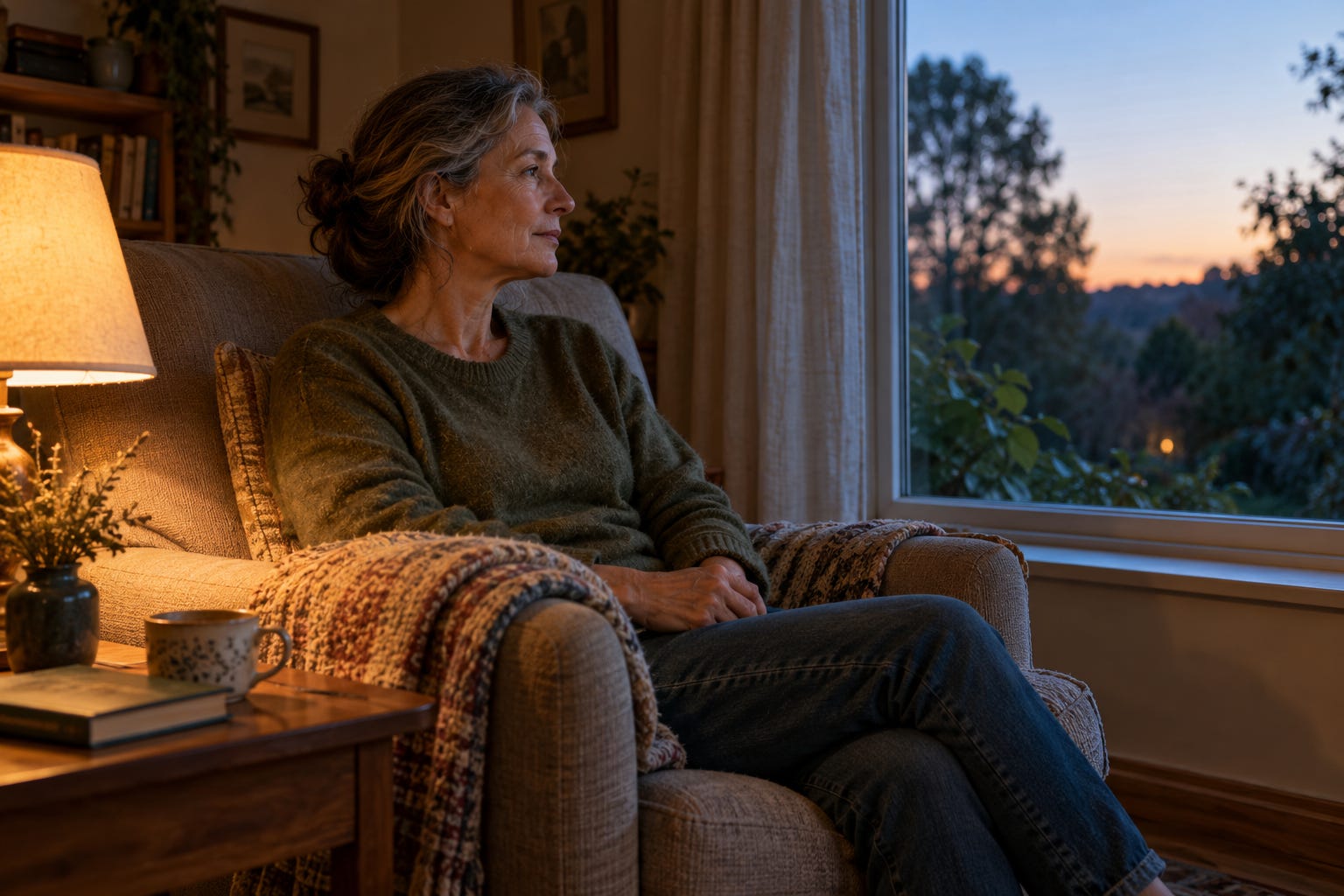
The Huangdi Neijing, or Inner Classic of the Yellow Emperor, describes the Kidneys as the storehouse of Jing. In Chinese medicine, the capitalized Kidney refers to a functional system that includes the anatomical kidneys and extends to development, reproduction, bones, marrow, and aspects of aging.
The opening chapter describes maturation through seven-year cycles for women and eight-year cycles for men. These cycles belong to an ancient model, rather than a literal timetable for every person. They trace the emergence of teeth, reproductive maturity, physical strength, and the gradual changes of later life.¹ They also place those changes within the whole course of human development. The needs of a growing child differ from those of an older adult, and habits that once suited us may need adjustment as we age.
Jing has no single biological equivalent. Genetics accounts for aspects of inheritance, while endocrine function, metabolism, and tissue repair help explain other parts of development and recovery. Modern research describes interacting hallmarks of aging, including changes in mitochondrial function, genomic stability, and cellular signaling.² These mechanisms help explain development and aging, without establishing Jing as a measurable substance.
In Chinese medicine, inherited constitution and daily habits were considered together when assessing how a person developed, aged, and recovered from illness. Jing gave practitioners a way to describe the lasting influence of both.
Caring for this foundation belonged to yangsheng (養生), the art of nourishing life. Sleep, food, movement, breathing practices, and moderation in activity were central to it. These ordinary habits were understood to influence health through their repeated effects over many years.
Effort was an expected part of a full life. Work, study, exercise, sex, and travel all require energy, and each can contribute to our well-being. The concern was whether sufficient nourishment and recovery followed that expenditure. Even an activity we value can become exhausting when it is added to a schedule that already leaves too little time for rest.
Sleep held a particularly important place. Sleep supports tissue repair, memory formation, and immune and metabolic function.³ Chinese medicine described this period through Yang withdrawing inward and Shen settling as the body restored what waking activity had spent.

Winter offered a seasonal image for conservation. In a dormant orchard, little growth is visible, yet the trees remain alive through the cold months. Chinese longevity traditions associated winter with longer rest, warm nourishment, and fewer demands on outward activity. The seasonal lesson was to recognize when reduced activity helped sustain life.
Putting this into practice depends partly on our circumstances. Caring for a family member, working long hours, or living with financial pressure can leave little freedom to change a schedule. We begin with the choices available to us. Protecting an earlier bedtime, eating regularly during a busy period, or leaving an evening free after a demanding day can give recovery a more dependable place in the week.
The pattern matters more than any isolated choice. One late night is different from years of shortened sleep. A demanding week followed by recovery is different from a succession of weeks in which fatigue steadily accumulates. Over time, it is worth observing whether sleep still refreshes us and whether ordinary effort requires more recovery than it once did. These observations cannot establish a diagnosis or measure Jing, but they can help us recognize changes we have gradually come to accept as normal.
Jing concerns the strength that sustains us over a lifetime. We may continue meeting our daily obligations even as it takes longer to recover from them. If we regularly begin the next day still tired from the day before, it is worth reconsidering how much we take on and how much time we leave for rest.
References
Unschuld, P. U., & Tessenow, H. (2011). Huang Di Nei Jing Su Wen: An Annotated Translation of Huang Di’s Inner Classic, Basic Questions. University of California Press. See chapter 1 for the traditional account of maturation in seven-year and eight-year cycles.
López-Otín, C., Blasco, M. A., Partridge, L., Serrano, M., & Kroemer, G. (2023). Hallmarks of aging: An expanding universe. Cell, 186(2), 243–278.
Eunice Kennedy Shriver National Institute of Child Health and Human Development. (2019). About sleep. National Institutes of Health.

If this post resonated with you, you may enjoy my new book:
The Science of Medical Qigong: How Breath, Movement, and Attention Transform the Body
This book examines the growing body of scientific research exploring how Qigong practice influences human physiology. Drawing from clinical trials and experimental studies, it explains how coordinated breathing, posture, movement, and focused attention interact with the body’s regulatory systems.
The book explores research on:
• autonomic nervous system regulation
• cardiovascular function and blood pressure
• respiratory mechanics and lung capacity
• sleep quality and recovery
• inflammatory and immune signaling
• brain function and neural plasticity
• cognitive performance and mental health
Rather than presenting Qigong through mystical language, The Science of Medical Qigong approaches the subject through physiology, neuroscience, and clinical research, offering a clear explanation of how regular practice can influence the coordination and harmony of the body’s systems.
Available now in print and Kindle formats.
Click here to get your copy
Jing is my lifeline and what I reference as I move through these hours, days, weeks in a world crushing in on itself as part of a political campaign for a state. The Great Learning my guide, my Jing my dance partner.
I so appreciate your writing. This is 100% my experience and the root of what has guided me physically and philosophically for the last 15 years. Classical Chinese Medicine changed my life in totality in a moment at that time.
The consideration of Jing is one of the most important approaches to wellbeing overall -- at every scale. Jing as the "essence" of all life, because without it we have no life.
Modern eastern and western (did we ever have it?) civilizations have lost their connection to this root source.