

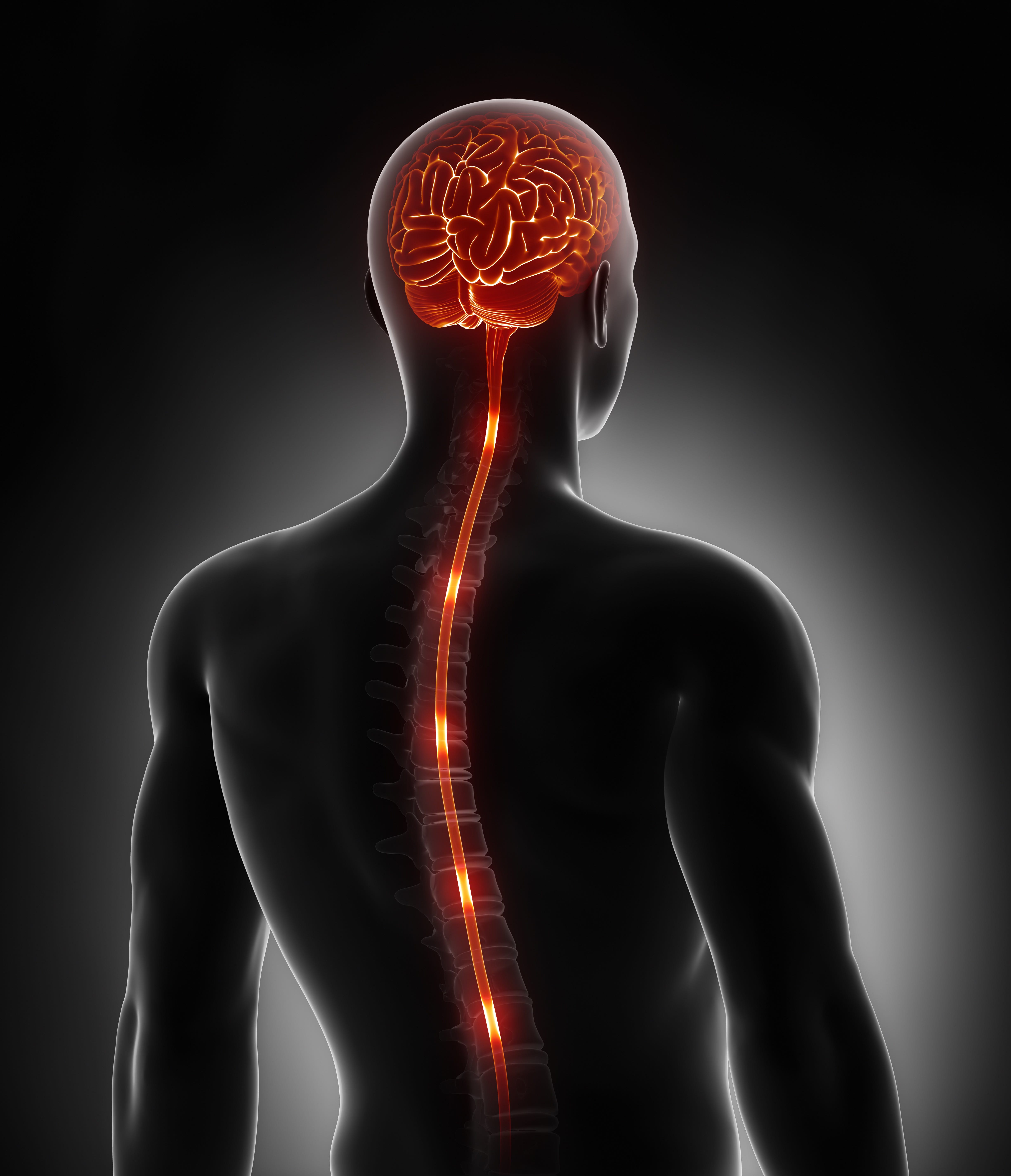
I’ve always known that deep breathing feels good. It calms the mind, eases stress, and sharpens focus. But after diving into Dr. Andrew Ahn’s research on how breathing affects cerebrospinal fluid flow in the brain, I started paying much closer attention to every breath I take.
Dr. Andrew Ahn serves as Assistant Professor of Medicine and Radiology at Harvard Medical School and a leading researcher at the Osher Center for Integrative Health. In his seminar series, Scientific Frontiers of Healing, he bridges traditional practices with cutting-edge science. The first session on cerebrospinal fluid dynamics and breathing really stood out for me. It gives ancient breath-work techniques a solid foundation in modern physiology.
What Exactly Is Cerebrospinal Fluid?
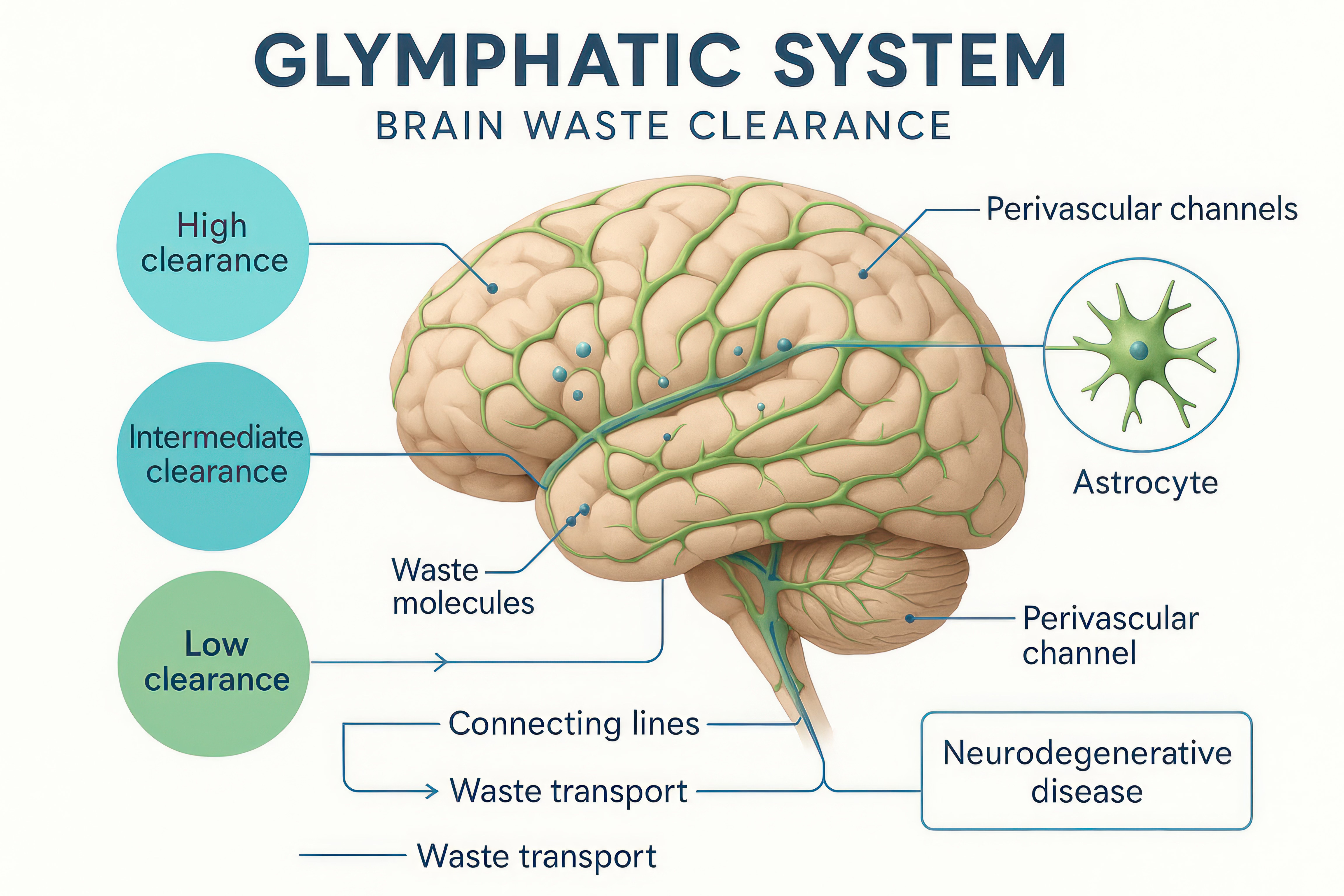
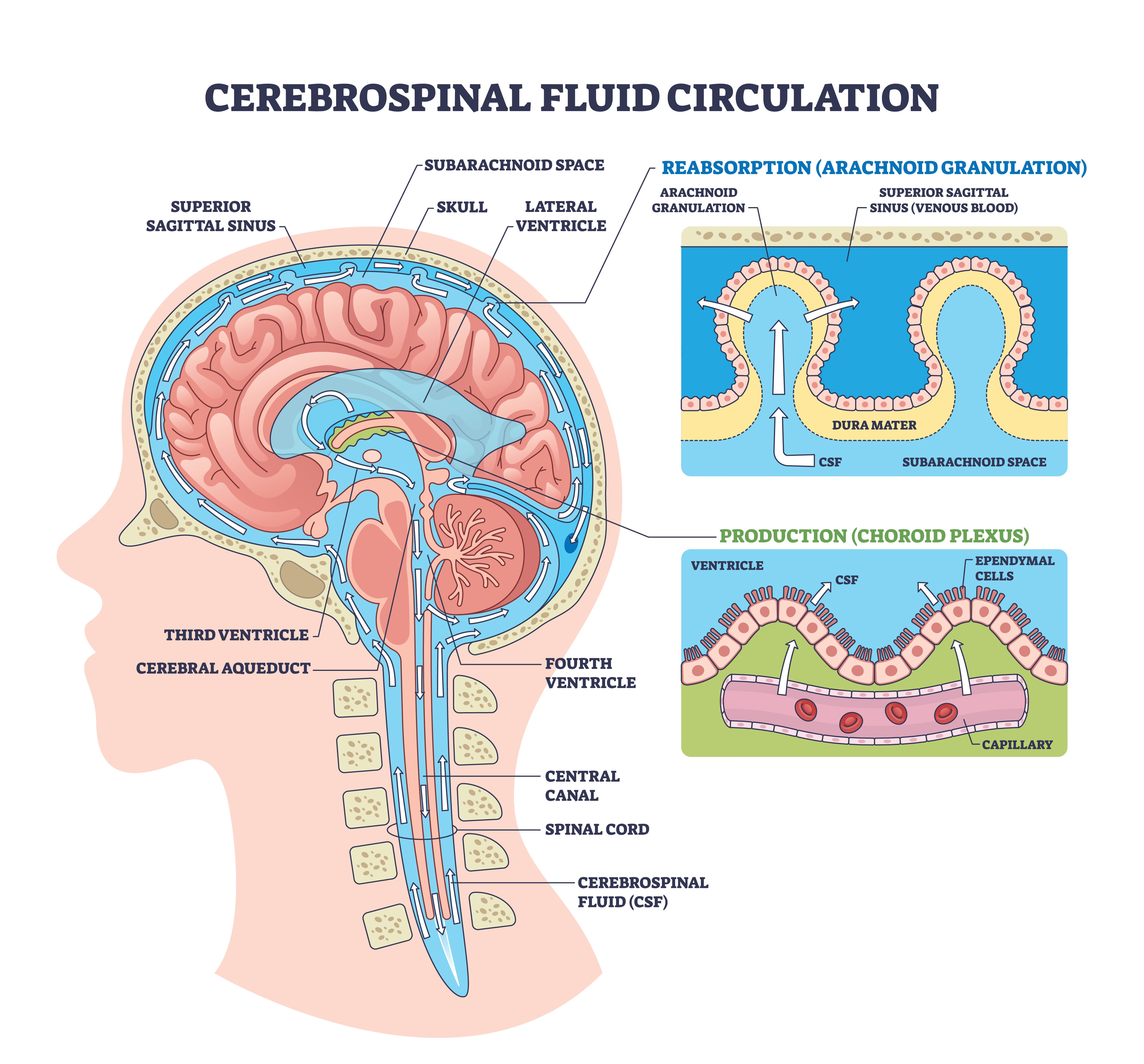
Cerebrospinal fluid, or CSF, is the clear liquid that surrounds and cushions your brain and spinal cord. It does far more than just protect. This fluid delivers essential nutrients, hormones, and signaling molecules throughout the central nervous system while carrying away metabolic waste
.
Recent research has focused heavily on the glymphatic system, the brain’s dedicated waste-clearance network. It works much like the lymphatic system in the rest of the body. The glymphatic system helps flush out toxins, including beta-amyloid proteins linked to neurodegenerative conditions. What surprised me most is one of its key drivers: something as simple and constant as our breathing.
How Breathing Influences CSF Flow
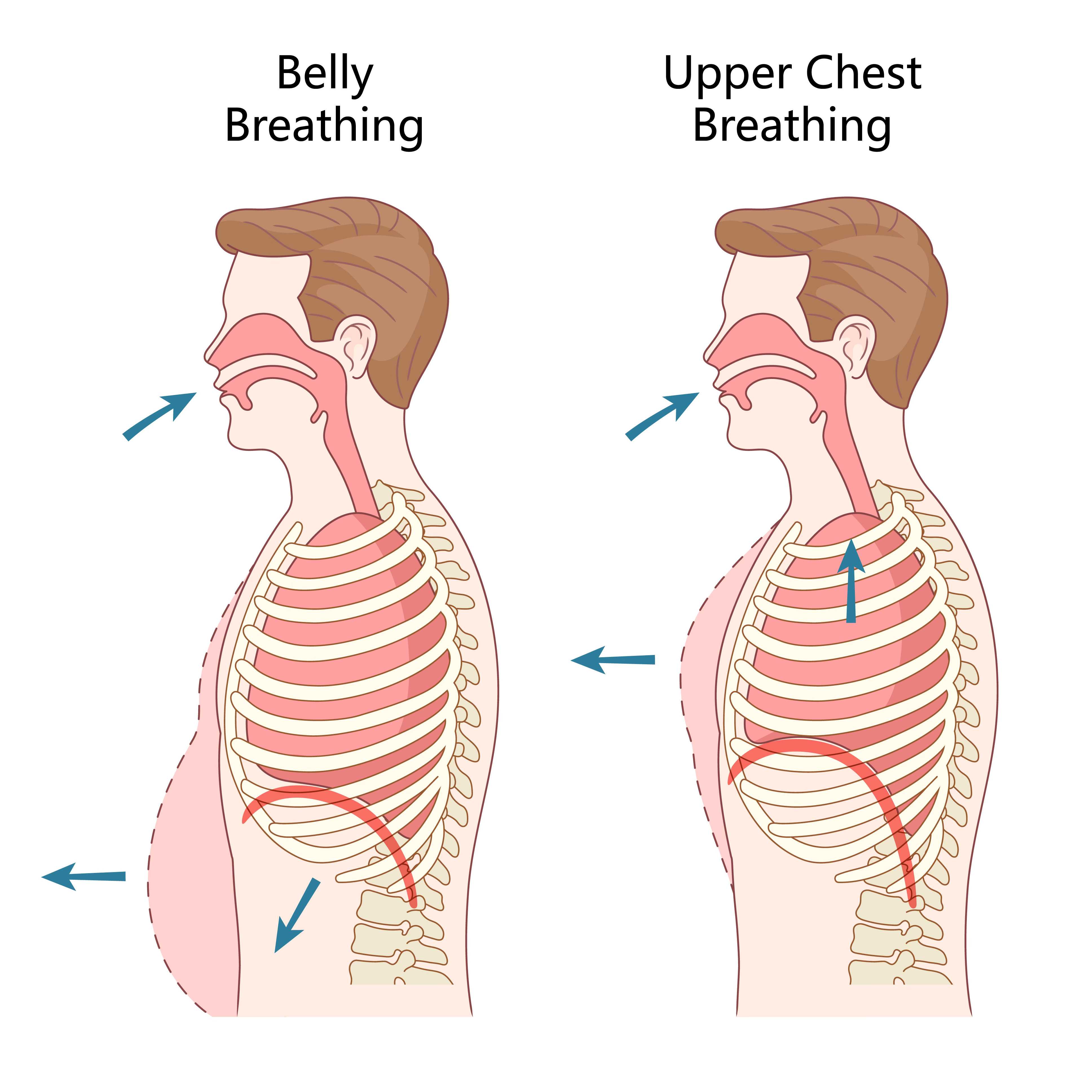
Every breath creates pressure changes in your chest and abdomen. These changes help propel CSF through the brain and spinal canal. Shallow chest breathing provides less nourishing movement. Deep abdominal breathing makes a much bigger difference.
In his seminar, Dr. Ahn highlights real-time MRI studies that demonstrate this clearly. Deeper inspirations, especially during abdominal breathing, drive stronger upward flow of CSF in the brain. Some slow, intentional yogic breathing patterns can make respiration contribute as much to fluid motion as your heartbeat, or even more in certain cases.
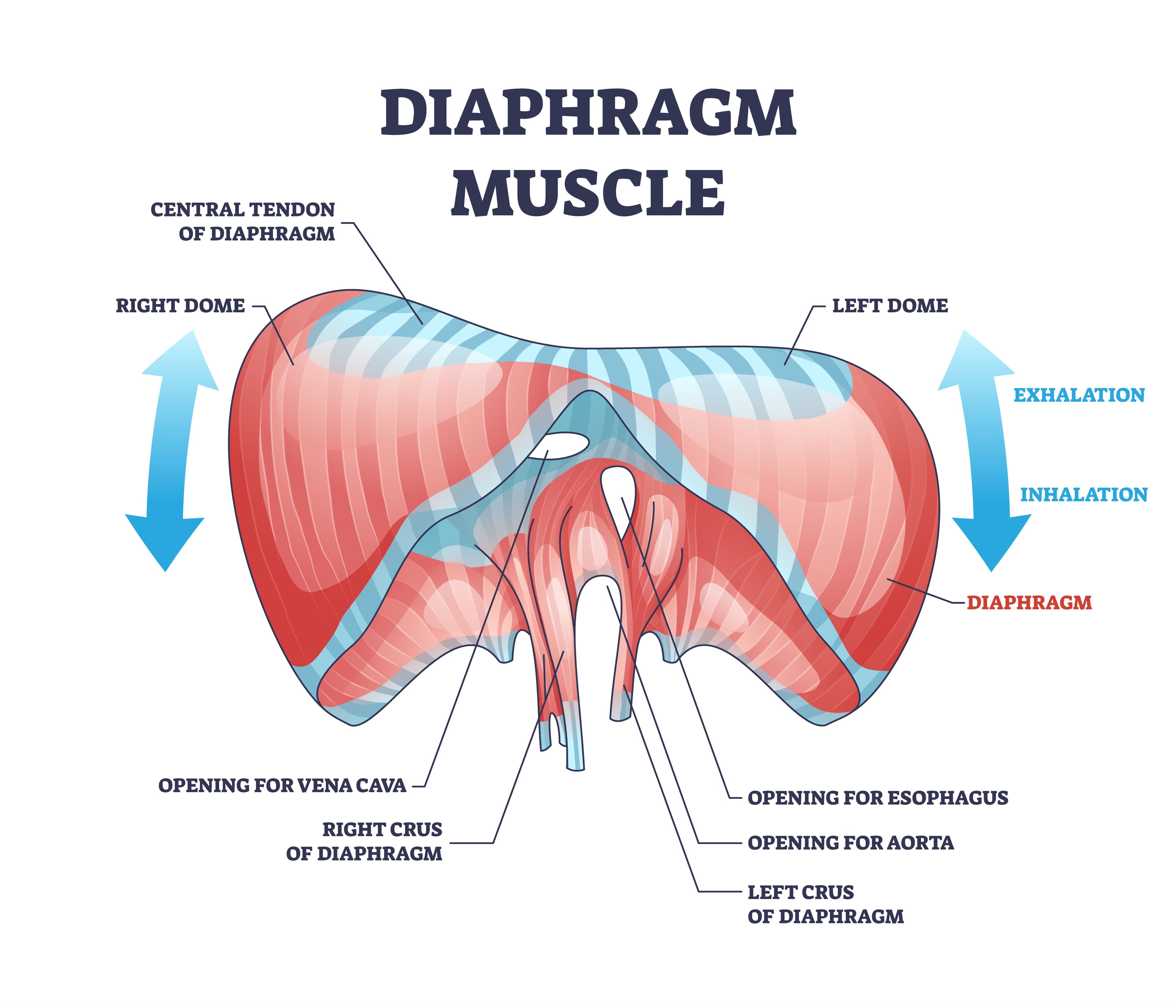
The diaphragm is the star player here. When you breathe deeply into your belly, the diaphragm moves more fully. This creates meaningful pressure gradients and subtle waves that ripple through your nervous system and brain fluids. Abdominal breathing consistently produces greater CSF movement compared to thoracic chest breathing.
Why This Matters for Daily Life
We pour so much energy into diet, exercise, and sleep when thinking about brain health. Breathing, however, happens thousands of times a day without us even noticing. It is free, requires zero equipment, and we can adjust it in any moment.
Shifting toward deeper abdominal patterns may quietly support the brain’s natural cleaning process. This support feels especially valuable during the day, when the glymphatic system tends to be less active than during deep sleep.
This is not presented as a miracle cure. Dr. Ahn and the research are careful about that. Still, the potential benefits for reduced brain fog, better stress management, and sharper daily thinking make it a practice worth trying.
Simple Way to Practice Diaphragmatic Breathing
You don’t need any special setup to begin. Sit or lie down comfortably and place one hand on your belly. Inhale slowly through your nose for four to six seconds, allowing your belly to rise while keeping your chest relatively still. Then exhale even more slowly for six to eight seconds, letting your belly fall gently.
Start with five to ten minutes a day. As it becomes easier, you can lengthen the sessions or pair the breathing with meditation or gentle yoga. Many people find that this deeper style gradually replaces shallow upper-chest breathing as their default.
Final Thoughts
Dr. Ahn’s work reminds us that some of the simplest tools, like paying attention to how we breathe, can have surprisingly deep effects. It connects centuries of traditional wisdom with what modern real-time imaging and physiology can now measure and confirm.
If you’re curious, I highly recommend watching his full Part 1 talk:
How Breathing Techniques Impact CSF Flow from the Osher Center.
Have you experimented with different breathing styles? Drop a comment and let me know what works for you. In the meantime, pause for one slow belly breath right now. Your brain might quietly thank you for it.
Like what you read? Keep exploring…

If this post resonated with you, you may enjoy my new book:
The Science of Medical Qigong: How Breath, Movement, and Attention Transform the Body
This book examines the growing body of scientific research exploring how Qigong practice influences human physiology. Drawing from clinical trials and experimental studies, it explains how coordinated breathing, posture, movement, and focused attention interact with the body’s regulatory systems.
The book explores research on:
• autonomic nervous system regulation
• cardiovascular function and blood pressure
• respiratory mechanics and lung capacity
• sleep quality and recovery
• inflammatory and immune signaling
• brain function and neural plasticity
• cognitive performance and mental health
Rather than presenting Qigong through mystical language, The Science of Medical Qigong approaches the subject through physiology, neuroscience, and clinical research, offering a clear explanation of how regular practice can influence the coordination and harmony of the body’s systems.
Available now in print and Kindle formats.