

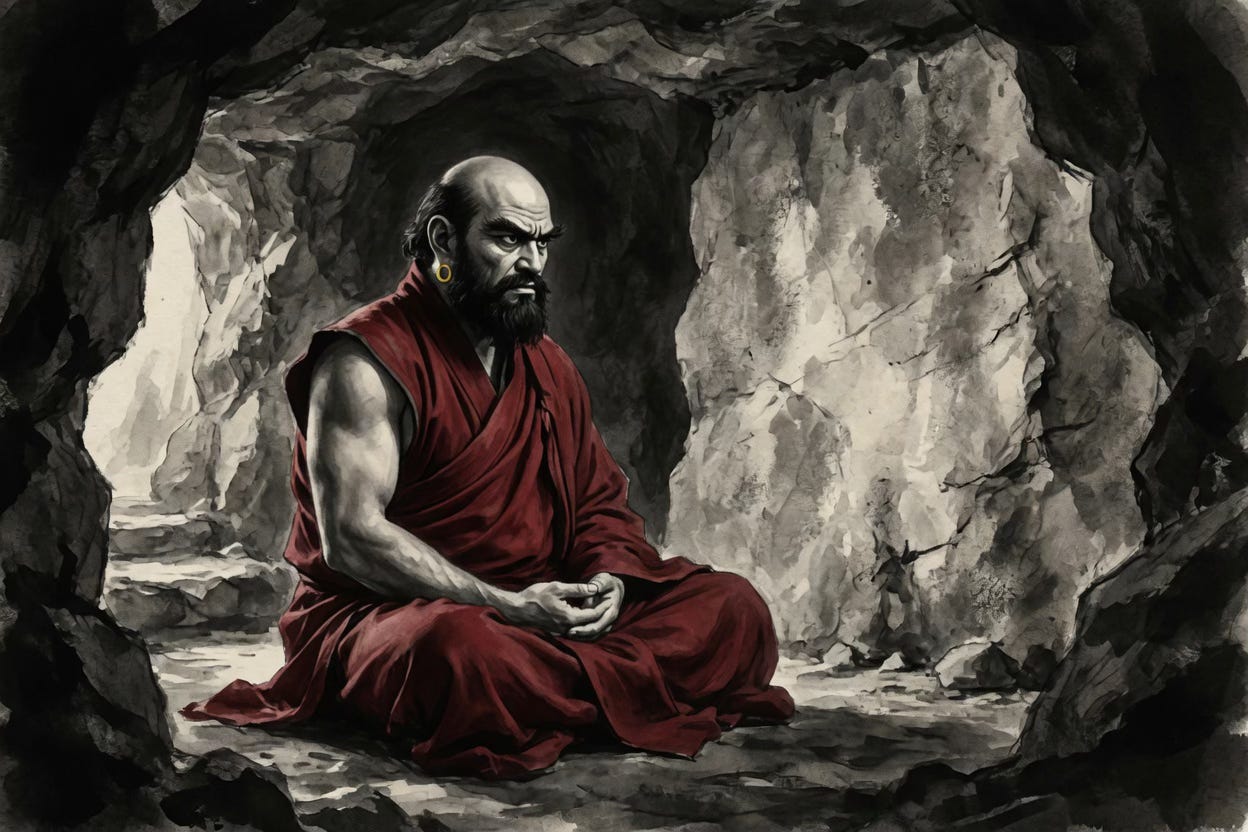
Few figures in Chinese history straddle the line between legend and lasting influence as powerfully as Bodhidharma, known in Chinese as Damo (達摩). To some he was an Indian Buddhist monk who brought Chan Buddhism to China. To others he was a meditation master, a cultural bridge between India and China, a martial innovator, or the symbolic ancestor of internal cultivation practices. His name frequently appears in popular discussions of Qigong, Shaolin Monastery, and Chinese longevity arts. But how much of this connection is historical fact, and how much grew from later myth, lineage claims, and cultural storytelling?
The answer is far more nuanced and interesting than a simple yes or no.
Who Was Damo?
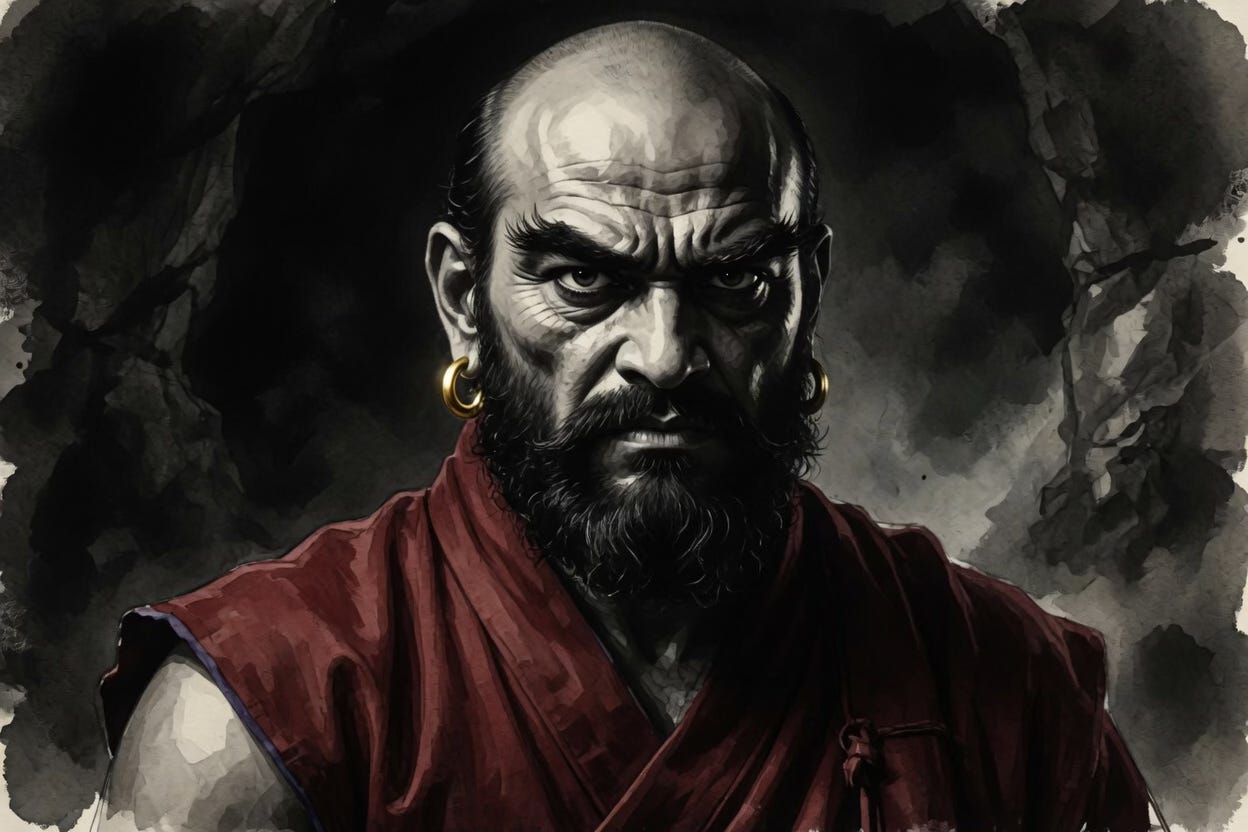
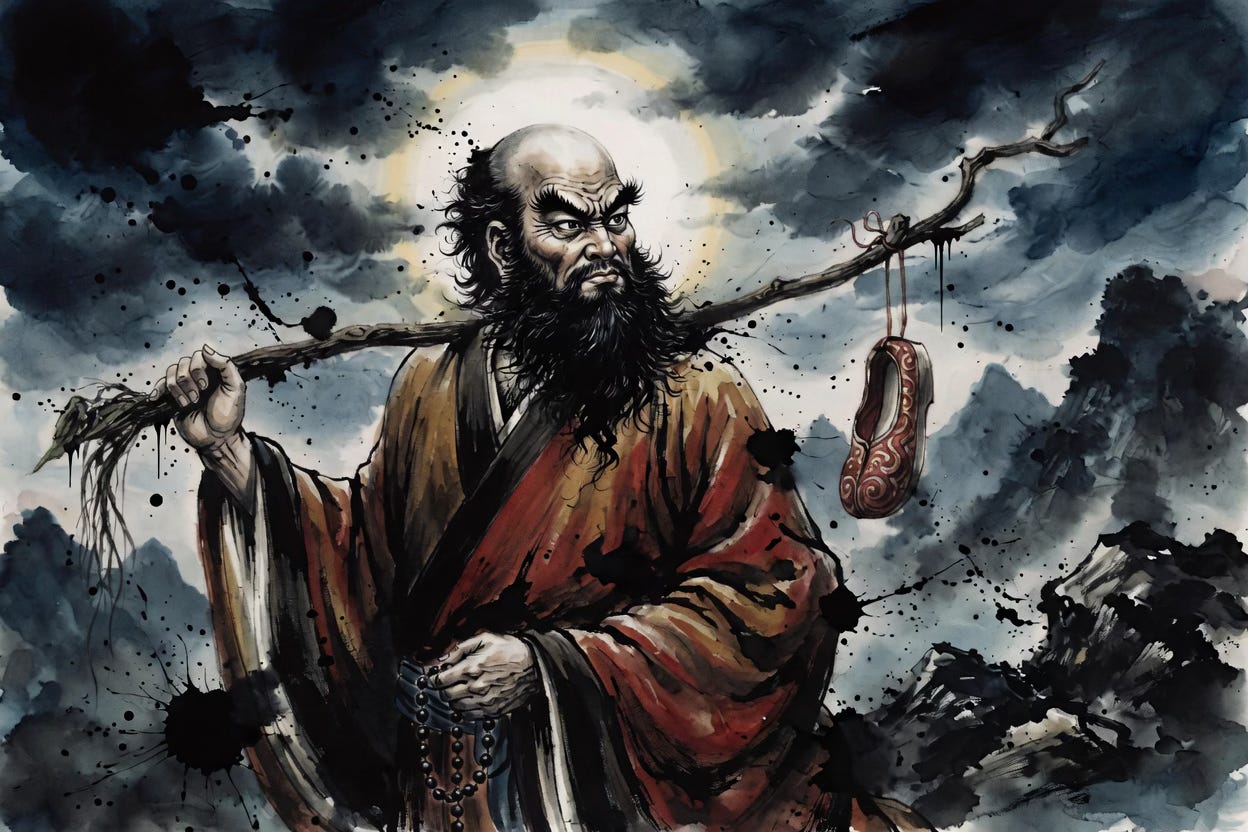
Traditional accounts describe Bodhidharma as the third son of an Indian Brahmin, born around 470 CE. His monastic name was originally Bodhitara before he became known as Bodhidharma. He received the robe and bowl from the 27th patriarch Prajnatara and traveled by sea to transmit the Dharma to China.
He arrived in Guangzhou in the fall of 527 CE. After a famous encounter with Emperor Wu of Liang, where he declared that building temples and supporting Buddhism brought “no merit,” he crossed the Yangtze River and eventually settled at Shaolin Monastery on Mount Songshan. There he lived in a cave and sat facing a wall in meditation for nine years. Locals called him the “Brahman who contemplates the wall.”
Early sources portray him primarily as a meditation teacher who emphasized direct insight, rigorous practice, and mind-to-mind transmission over scriptural study. He is widely regarded as the first patriarch of Chan Buddhism in China. He transmitted the lineage to his successor Huike (originally named Shenguang), who demonstrated extraordinary dedication by standing in the snow for days and even cutting off his arm to show sincerity.
Notably, these earliest accounts say almost nothing about him teaching physical exercises, martial techniques, or systematic breath work. That absence is significant. It suggests the popular image of Damo as the originator of movement-based or Qigong-like systems developed centuries later.
Why Is Damo Linked to Qigong?
The strongest association comes from two famous texts attributed to him:
Yijin Jing (易筋經) — the Muscle/Tendon Changing Classic
Xisui Jing (洗髓經) — the Marrow Washing Classic
These describe methods of transformative training involving posture, dynamic movement, breathing, and internal refinement. In later tradition, they became tied to Shaolin practice and credited directly to Damo.
Modern scholarship dates most surviving versions of these texts to the Ming and Qing dynasties, many centuries after Bodhidharma’s time. Historians generally view them as later compilations, often with Daoist influences, that were retrospectively attributed to Damo to lend authority and legitimacy. This practice was common in Chinese traditions. Influential figures often became symbolic vessels for evolving teachings.
Scholar Meir Shahar, in his definitive history The Shaolin Monastery, points out that the Yijin Jing (Sinews Transformation Classic) first appeared in the early seventeenth century. Its anonymous author, who called himself the “Purple Coagulation Man of the Way”, attributed the text to Bodhidharma to lend it the authority of the revered Chan patriarch. Over time Shaolin monks themselves embraced this legend, effectively weaving their Buddhist heritage together with the physical and martial practices that had long been part of monastery life.
The Deeper Truth Behind the Legend
Even if Damo did not personally author these texts or invent the specific exercises practiced today, the connection still carries meaning.
His core legacy is one of disciplined cultivation: intense meditation, endurance, postural awareness, breath regulation, and personal transformation through direct practice. These elements align naturally with the broader streams of Chinese internal training, which have long blended Buddhist, Daoist, medical, and martial approaches.
When later generations linked Damo to body-mind cultivation, they were often expressing a philosophical continuity rather than a strict historical one. He came to symbolize perseverance, inner refinement over external form, direct experience rather than endless theory, and the integration of stillness and effort.
These values sit at the heart of what many today call Qigong.
Qigong as a Modern Umbrella Term
It is worth remembering that the term “Qigong” itself is relatively recent. While practices involving breath regulation (tuna), guiding and pulling exercises (daoyin), meditative movement, and health-preserving cultivation existed for millennia, the unified label “Qigong” only became widely standardized in the 20th century.
Asking whether Damo invented Qigong is therefore somewhat anachronistic. He lived long before the category existed. A more accurate question is whether his emphasis on disciplined mind-body practice influenced the streams of Chinese cultivation that eventually coalesced under the name Qigong.
To that question, the answer is far more plausible.
Shaolin, Myth, and Practice
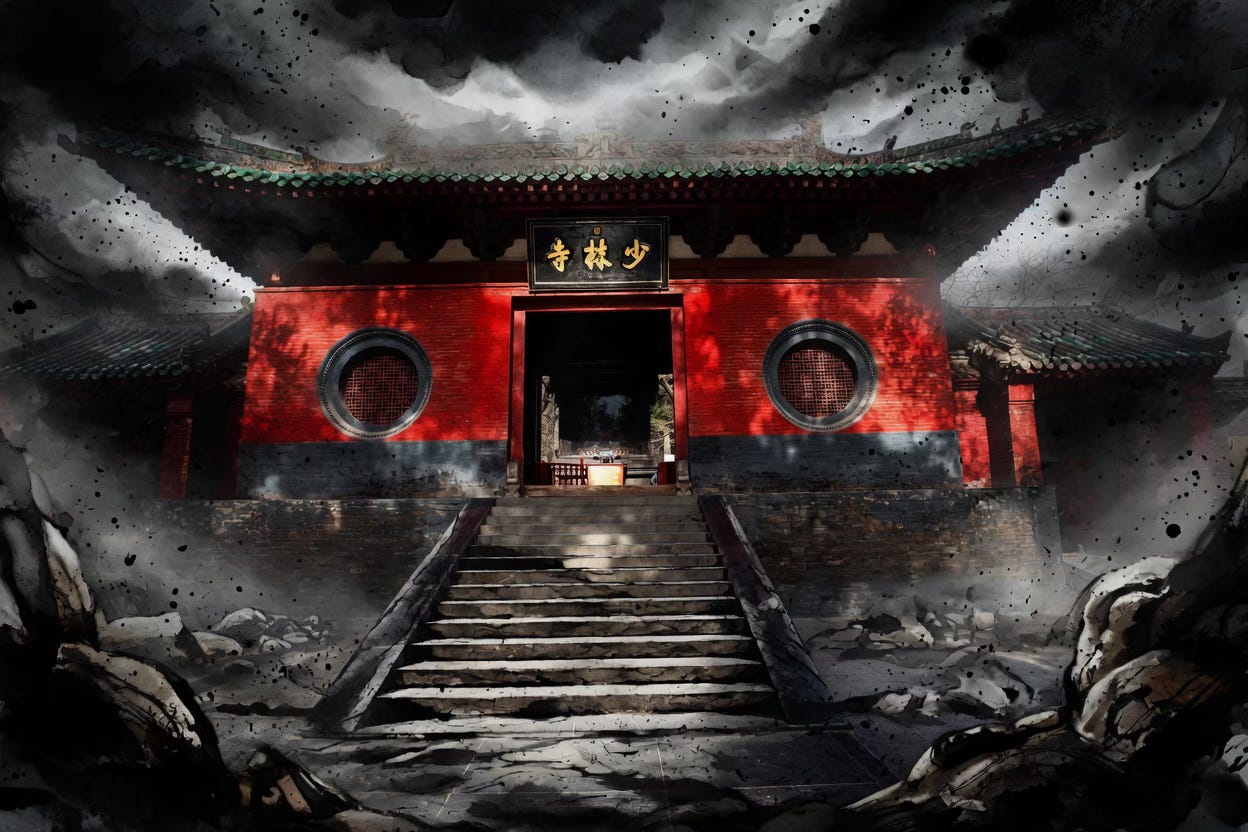
Shaolin Monastery evolved into one of China’s most iconic centers of holistic training, where meditation, conditioning, martial movement, ritual, and health practices intertwined. Damo stands at the symbolic beginning of that story, especially through his years of dedicated wall-facing meditation there.
Whether or not he literally taught the tendon-changing exercises, Damo’s presence helped establish a tradition in which body and mind are cultivated together. This integrated approach remains deeply relevant today. Traditional Shaolin training manuals still regard the Yijin Jing as a foundational method of internal cultivation.
What Modern Practitioners Should Take from This
Many people fall into one of two traps:
Accepting every legend as literal history.
Dismissing all legends as worthless fiction.
Both approaches miss something important. Legends preserve values, cultural identity, and inspirational memory even when details are embellished. Historical analysis clarifies timelines and documents. Tradition reveals meaning and spirit.
Damo may not have invented Qigong in any modern sense. Yet his symbolic role in the culture of Chinese cultivation is undeniable.
Final Thoughts
If you practice Qigong (or related arts) today, the most valuable connection to Damo may not be genealogical. It may simply be one of attitude.
Sit with discipline.
Move with clear intention.
Refine body and mind through consistent, patient repetition.
Seek direct experience over endless intellectualizing.
That spirit, whether rooted in verifiable history or enduring legend, has endured for centuries. It still has much to offer.
References
Kennedy, B., & Guo, E. (2005). Chinese martial arts training manuals: A historical survey. North Atlantic Books.
Lorge, P. A. (2012). Chinese martial arts: From antiquity to the twenty-first century. Cambridge University Press.
Lu, Z. (2019). A history of Shaolin: Buddhism, kung fu and identity. Routledge.
Shahar, M. (2008). The Shaolin monastery: History, religion, and the Chinese martial arts. University of Hawai‘i Press.
Shi Deqian (釋德虔) (Ed.). (1990–2000). Shaolin si wushu baike quanshu [Shaolin Temple martial arts encyclopedia] (Vols. 1–4). Jinghua Chubanshe.
Like what you read? Keep exploring…
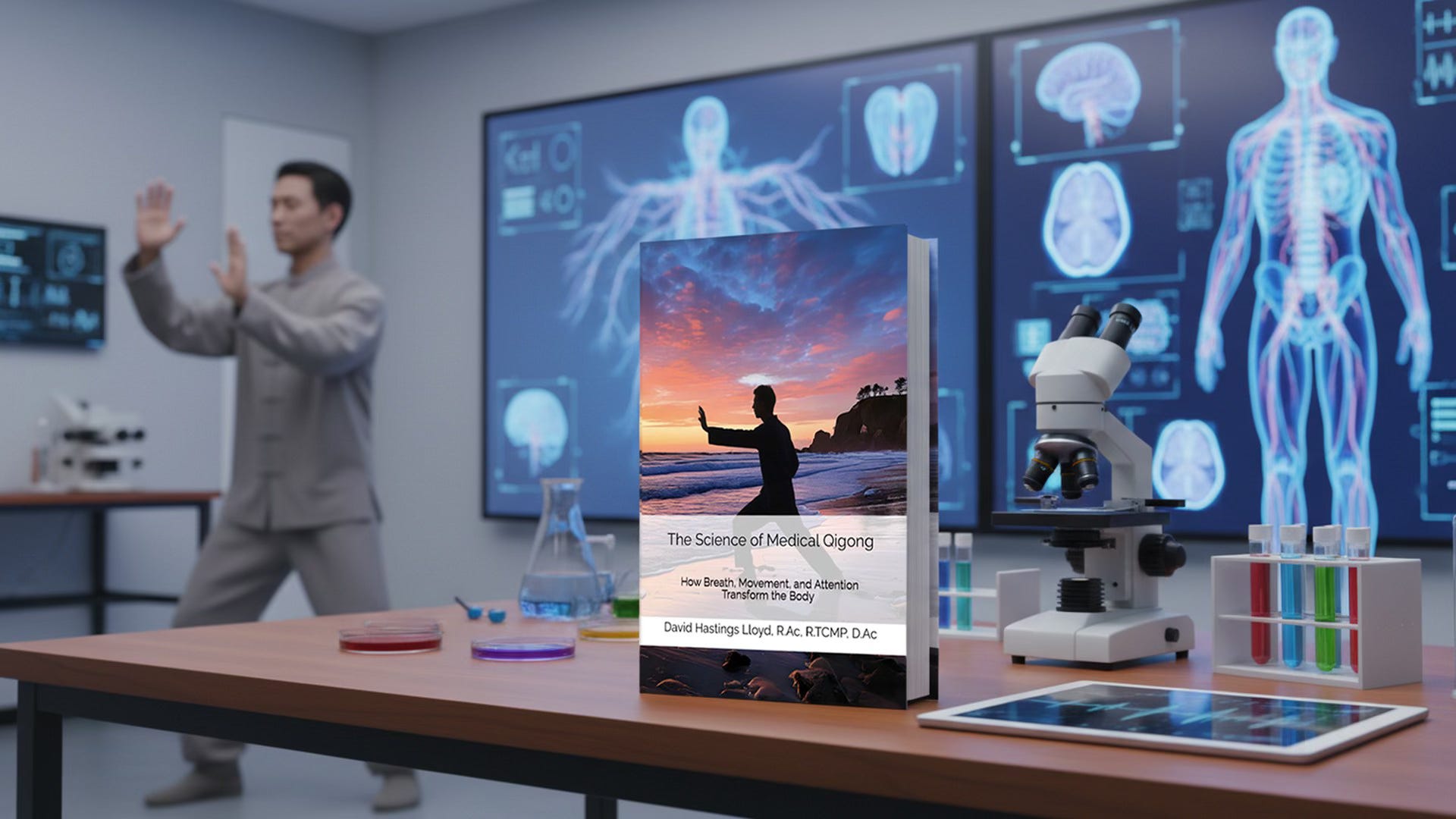
If this post resonated with you, you may enjoy my new book:
The Science of Medical Qigong: How Breath, Movement, and Attention Transform the Body
This book examines the growing body of scientific research exploring how Qigong practice influences human physiology. Drawing from clinical trials and experimental studies, it explains how coordinated breathing, posture, movement, and focused attention interact with the body’s regulatory systems.
The book explores research on:
• autonomic nervous system regulation
• cardiovascular function and blood pressure
• respiratory mechanics and lung capacity
• sleep quality and recovery
• inflammatory and immune signaling
• brain function and neural plasticity
• cognitive performance and mental health
Rather than presenting Qigong through mystical language, The Science of Medical Qigong approaches the subject through physiology, neuroscience, and clinical research, offering a clear explanation of how regular practice can influence the coordination and harmony of the body’s systems.
Available now in print, Kindle, and audiobook formats.
Click here to get your copy on Amazon