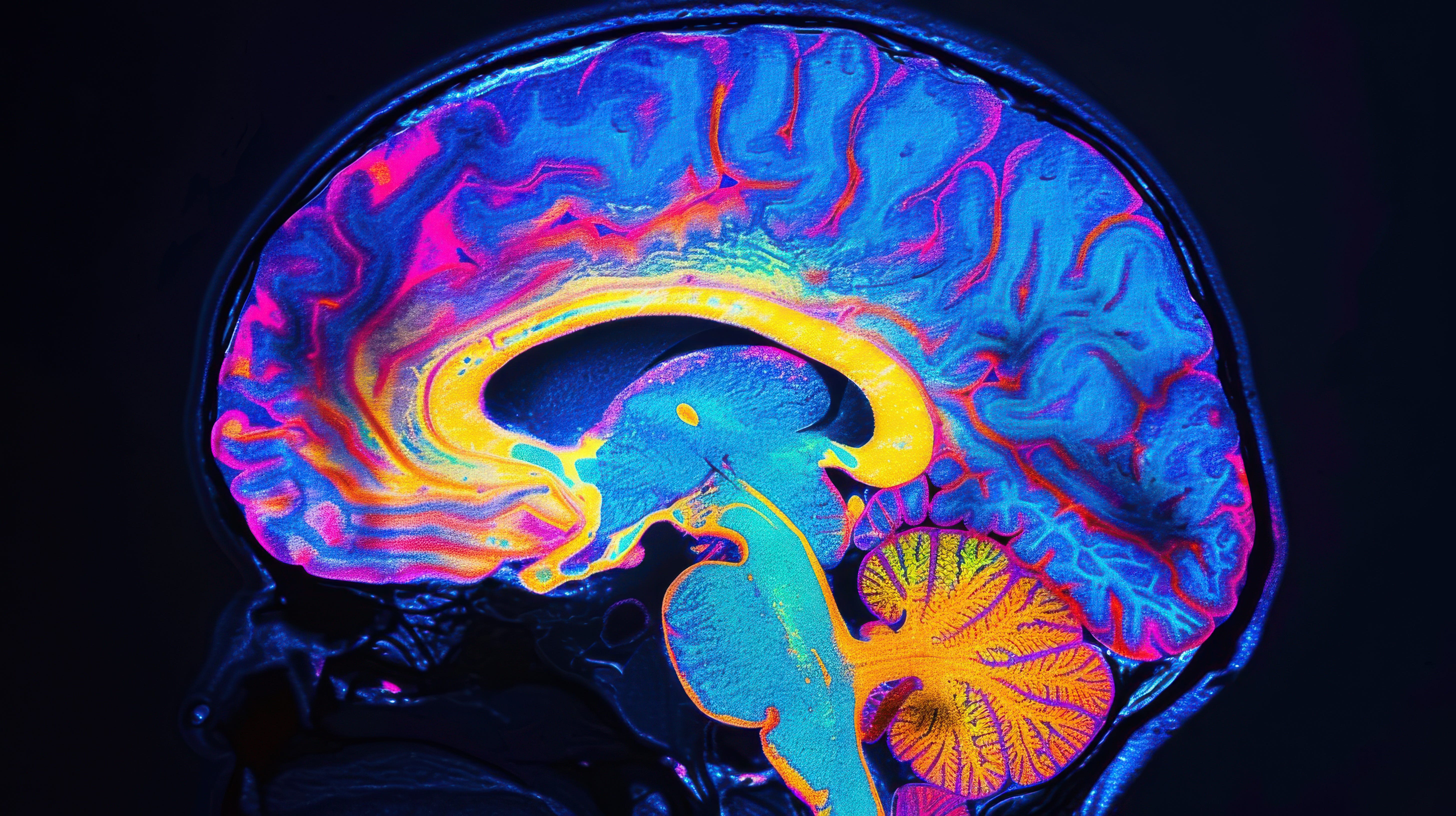
Can the Brain Change?
Neuroplasticity, Habit Formation, and the Biology of Personal Adaptation
The Brain as an Adaptive System
For much of modern history, people believed that personality and behavior became mostly fixed in adulthood. Emotional reactions, habits, and ways of thinking were often seen as permanent traits shaped by genetics or early life experience. Neuroscience now shows a different picture. The brain remains biologically adaptable throughout life and continues to reorganize itself in response to experience, attention, and behavior.
Every repeated thought, action, or emotional response activates specific neural pathways. When these patterns occur often enough, the brain strengthens the connections involved. Over time, repeated activity changes how the brain functions. Behavior and mental states are therefore linked to physical changes occurring within neural tissue.
Neural Networks and Learning
The brain works through networks of nerve cells that communicate using electrical signals and chemical messengers. Thinking does not happen in one isolated location. Instead, many brain regions activate together to produce perception, memory, emotion, and decision-making.
Learning occurs when communication between neurons becomes stronger through repetition. Each time a skill or idea is practiced, the same neural pathways activate again. As these pathways become more efficient, the brain requires less effort to perform the same task. What once required concentration eventually becomes automatic.
From Effort to Habit
When learning something new, attention and conscious effort are required. Early stages of learning depend heavily on areas of the brain responsible for focus and deliberate control. Practice changes this process.
With repetition, responsibility for execution shifts toward systems that manage movement and behavior automatically. Skills such as speaking a language, driving a car, or playing an instrument eventually occur with little conscious thought. The brain has converted effortful learning into habit.
Genetics and Experience
Human development reflects both inherited biology and lived experience. The brain is not a blank slate at birth. Infants already possess organized neural systems that allow perception and basic responses to the environment.
Experience continues shaping these systems throughout life. Social interaction, education, stress, movement, and emotional experience all influence how neural connections develop and stabilize. Genetics provides the starting structure, while experience determines which neural pathways strengthen over time.
Neuroplasticity Throughout Life
The ability of the brain to change is known as neuroplasticity. Neural connections reorganize whenever attention is sustained, skills are practiced, or behaviors are repeated. Frequently used circuits grow stronger, while unused pathways weaken.
Importantly, this capacity does not disappear after childhood. Adult brains retain the ability to reorganize in response to new learning and experience. Change remains biologically possible across the lifespan.
Stress and Survival Patterns
The nervous system evolved to respond quickly to danger. During stress, the body increases alertness, heart rate, and attention in order to improve survival. Short-term activation of this system is useful.
Problems arise when stress becomes chronic. Repeated activation of survival responses trains the brain to remain in defensive states such as anxiety or emotional reactivity. Over time, these responses become familiar and automatic. The brain begins to treat stress as normal operating function rather than a temporary reaction.
Emotional Learning
Emotions also follow principles of learning. Repeated emotional experiences strengthen the neural pathways associated with those states. When certain emotions occur frequently, the brain becomes more efficient at producing them.
As a result, emotional reactions may arise quickly and automatically, without deliberate reasoning. Long-standing emotional patterns reflect reinforced neural activity rather than permanent personality traits. Emotional stability or instability often reflects learned biological patterns shaped through repetition.
The Role of the Frontal Lobe
The frontal lobe plays an important role in regulating behavior. This region supports planning, self-reflection, decision-making, and the ability to imagine future outcomes. It allows individuals to guide behavior according to internal goals rather than immediate circumstances.
When attention remains focused on a goal or intention, frontal brain systems can reduce the influence of automatic emotional reactions. This capacity makes behavioral change possible. New responses can develop when attention consistently supports alternative patterns of action.
Mental Rehearsal and Brain Activation
Research shows that imagining an action activates many of the same neural circuits used during physical performance. Mental rehearsal engages motor and associative brain networks even when movement does not occur.
Repeated visualization strengthens neural organization connected to anticipated behavior. Although physical practice remains necessary for full learning, mental rehearsal prepares neural pathways before action takes place.
Habit Formation and Identity
Repeated experiences gradually stabilize patterns of neural activity. Single events produce temporary activation, but repetition creates lasting organization within the brain. Habits form when neural efficiency replaces conscious effort.
Both helpful and harmful behaviors develop through the same mechanism. The brain becomes skilled at whatever patterns it performs most often. Over time, repeated behavior contributes to the formation of personal identity.
Clinical Implications
Behavioral change depends less on understanding an idea and more on repeated experience. Attention determines which neural circuits activate, while repetition strengthens those circuits. Emotional engagement further reinforces learning.
New behavioral patterns must be practiced consistently before they can compete with established habits. Lasting change requires sufficient repetition for alternative neural pathways to become stable.
Change as a Biological Process
Personal change occurs through gradual biological adaptation rather than sudden transformation. Existing neural pathways remain active until new networks strengthen through repeated use. Behavioral change reflects a shift in dominance between competing neural systems.
Progress depends on continued activation of new patterns rather than temporary effort.
The Adaptive Brain
The brain continuously reorganizes itself in response to learning, attention, and behavior. Neural systems record past experience while remaining capable of modification through ongoing activity.
Identity reflects patterns of neural activation built through repetition, yet these patterns remain open to change when new experiences are practiced consistently over time.
Like what you read? Keep exploring…
If this post resonated with you, you’ll love my book:
An Uncarved Life: A Daoist Guide to Struggle, Harmony, and Potential
This book blends timeless Daoist wisdom with real-world insight into how we can navigate struggle, cultivate inner peace, and live in alignment with our deeper potential. Drawing from classical texts like the Dao De Jing and integrating modern psychology and neuroscience, An Uncarved Life offers a grounded, poetic, and deeply personal guide to living well in a chaotic world.
Whether you’re seeking clarity, calm, or a more meaningful path forward, this book is a companion for anyone who wants to walk the Way with sincerity and strength.
Available now in print, Kindle, and audiobook formats.
Click here to get your copy on Amazon


