Can Qigong Help Older Prostate Cancer Survivors Feel Less Fatigued?
What does the research say?
Fatigue is one of the most frustrating challenges faced by cancer survivors. For many men who have undergone treatment for prostate cancer, recovery does not end when treatment is completed. Long after surgery, radiation, or hormone therapy, many continue to struggle with a deep and persistent exhaustion that affects nearly every aspect of daily life.
Unlike ordinary tiredness, cancer-related fatigue is not simply fixed by getting more sleep. It can drain physical energy, reduce motivation, impair concentration, and affect emotional well-being. For older adults, the problem can be even more significant because it compounds the normal physical changes that accompany aging.
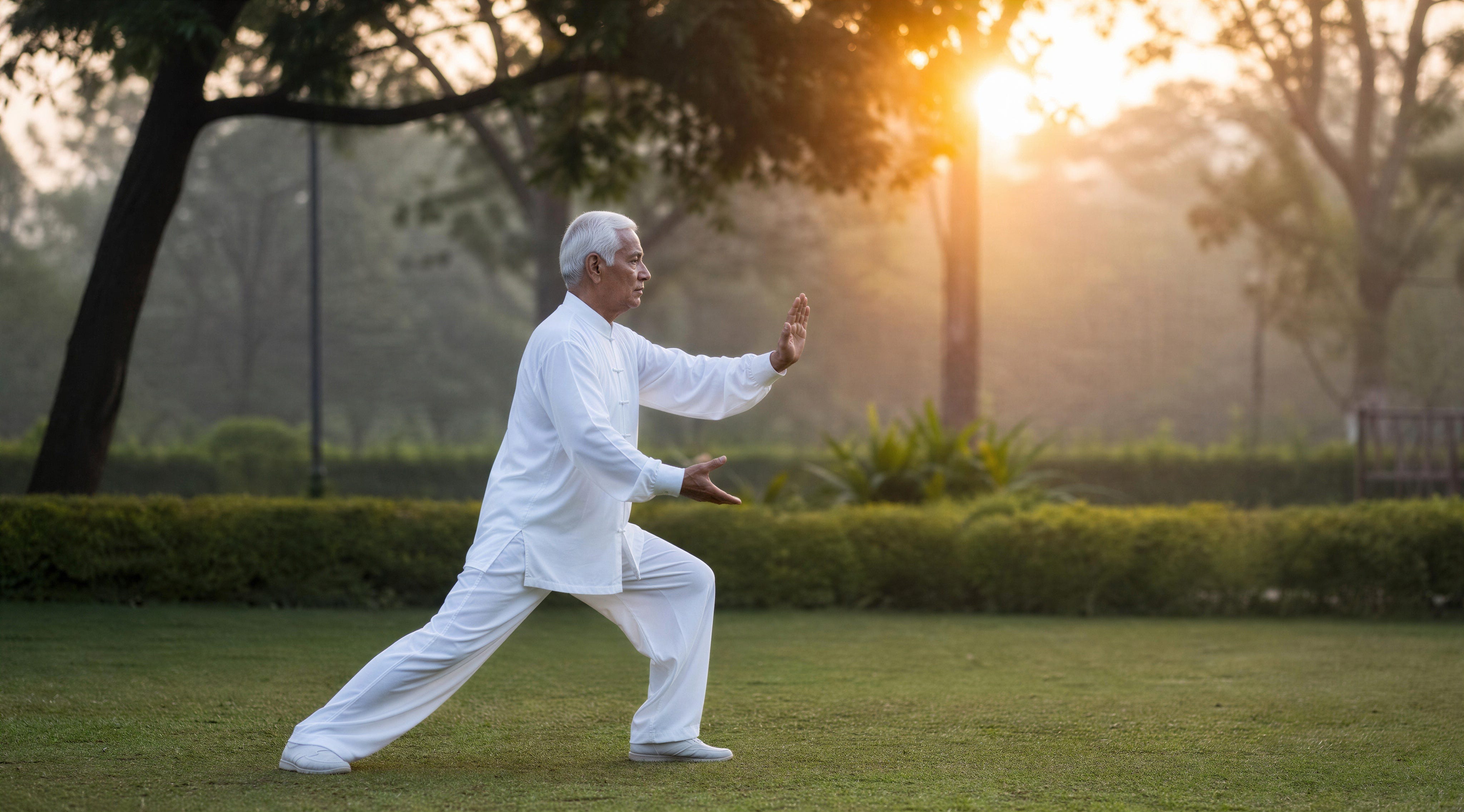
Researchers have spent years searching for safe, non-drug approaches to help cancer survivors manage these symptoms. One promising option is Qigong, a traditional Chinese mind-body practice that combines gentle movement, breathing exercises, and meditative awareness.
A randomized controlled trial published in the Journal of Cancer Survivorship explored whether Qigong could help reduce fatigue and psychological distress in older prostate cancer survivors. The results were encouraging.
Why Fatigue Matters
The researchers noted that fatigue is among the most commonly reported symptoms in prostate cancer survivors. It is especially common among men receiving androgen deprivation therapy (ADT), a treatment frequently used to slow the progression of prostate cancer. Fatigue can persist for months or even years after treatment and often interferes with daily activities, independence, and overall quality of life.
Fatigue is also closely tied to psychological distress. Many cancer survivors experience anxiety, frustration, low mood, or a sense of being overwhelmed. These emotional challenges can intensify fatigue, creating a cycle that is difficult to break.
Because both fatigue and distress can significantly reduce quality of life, the researchers wanted to determine whether Qigong could help address both issues at the same time.
What Is Qigong?
Qigong is a traditional Chinese practice that combines slow, flowing movements with breathing regulation and focused attention.
The authors described it as a mind-body activity that integrates physical exercise with meditative elements. It is generally low intensity, making it accessible for older adults and individuals recovering from illness. Unlike many forms of exercise, Qigong requires no special equipment, athletic ability, or high level of physical exertion.
The researchers believed this combination of movement and mindfulness might be particularly valuable for older cancer survivors who are often sedentary and may find vigorous exercise difficult.
How Was the Study Conducted?
The study enrolled forty prostate cancer survivors who were experiencing fatigue and were not regularly exercising. The median age was seventy-two years, with participants ranging from fifty-eight to ninety-three years old. Many were several years beyond their original diagnosis, and nearly half were receiving androgen deprivation therapy.
Participants were randomly assigned to one of two groups:
A Qigong group
A stretching exercise group
Both groups attended sixty-minute classes twice per week for twelve weeks. Participants were also encouraged to practice at home using instructional DVDs.
Importantly, the stretching group served as an active control. The researchers were not simply comparing Qigong to doing nothing. Both groups received instructor attention, participated in group classes, and engaged in physical activity. This design allowed the investigators to determine whether Qigong offered benefits beyond the effects of simple movement and social interaction.
What Did the Qigong Program Involve?
The Qigong sessions included breathing exercises, seated movements, standing exercises, and short periods of meditative focus.
Classes began with mindful breathing and progressed through a series of traditional movements designed to improve body awareness, balance, coordination, and relaxation. Some movements incorporated gentle strengthening through deeper squatting positions, creating what the researchers described as an “eccentrically biased muscular focus.”
The goal was not simply to increase physical activity. It was to combine movement, breath regulation, attention, and mental calmness into a single practice.
Was the Program Practical?
One of the primary goals of the study was to determine whether older prostate cancer survivors would actually participate in a Qigong program.
The answer was a clear yes.
The researchers found that retention rates were good, and class attendance was significantly higher in the Qigong group than in the stretching group. Eighty percent of participants assigned to Qigong completed the study, compared with sixty-five percent in the stretching group. Attendance rates were also significantly better among the men practicing Qigong.
This finding is important because even the most effective intervention has limited value if people are unwilling to participate. The results suggest that Qigong was not only feasible but also appealing to this older population.
What Happened to their Fatigue?
This was the study’s primary outcome and perhaps its most important finding.
The researchers measured fatigue using the Functional Assessment of Chronic Illness Therapy Fatigue Scale (FACIT-Fatigue), a widely used tool in cancer research.
At the beginning of the study, most participants met the criteria for clinically significant fatigue. By the end of the twelve-week intervention, the Qigong group showed significantly greater improvement than the stretching group.
The median improvement in the Qigong group was five points, while the stretching group showed essentially no change. Even more impressive, sixty-nine percent of participants in the Qigong group achieved what researchers consider a clinically meaningful improvement in fatigue, compared with only thirty-eight percent of participants in the stretching group.
The authors concluded:
“The Qigong group had significantly greater improvements in the FACIT-Fatigue.”
For older cancer survivors struggling with persistent exhaustion, these findings suggest that Qigong may offer meaningful relief.
What About Psychological Distress?
The researchers also examined psychological distress using the Brief Symptom Inventory (BSI-18), which measures symptoms such as anxiety, depression, and somatic distress.
Once again, the Qigong group performed better than the stretching group.
Participants practicing Qigong showed significantly greater improvements in:
Anxiety
Somatization, or physical symptoms associated with psychological distress
Overall psychological distress
The improvements were large enough to produce what statisticians classify as large effect sizes.
Although depression scores improved as well, the difference between groups did not quite reach statistical significance.
Overall, the findings suggest that Qigong may positively influence both the physical and emotional dimensions of cancer recovery.
Why Might Qigong Work?
The researchers acknowledged that this study was not designed to determine exactly why Qigong produced these benefits.
Several explanations are possible.
One possibility is that Qigong simply encouraged participants to become more physically active. Exercise is already known to reduce cancer-related fatigue and improve mood.
However, the authors also pointed out that Qigong includes elements that extend beyond exercise alone. The breathing practices, meditative focus, and stress-reduction aspects may provide additional benefits.
Previous research on mindfulness-based interventions and yoga has demonstrated positive effects on fatigue and distress among cancer survivors. Qigong may work through similar mechanisms by helping regulate stress responses and improve psychological well-being.
The researchers suggested that the most effective approach may be the combination of physical movement and meditative practice rather than either component alone.
Final Thoughts
This randomized controlled trial provides encouraging evidence that Qigong may help older prostate cancer survivors manage two of the most challenging consequences of cancer treatment: fatigue and psychological distress.
Compared with a stretching exercise program, Qigong produced greater improvements in fatigue, anxiety, somatic distress, and overall psychological well-being. Participants also attended classes more consistently, suggesting that the practice was both engaging and acceptable to this population.
Perhaps the most valuable lesson from this study is that healing does not always require pushing harder. Sometimes gentle movement, mindful breathing, and consistent practice can create meaningful improvements in how people feel and function.
For older prostate cancer survivors seeking a safe, low-impact, non-pharmaceutical approach to improving energy and emotional well-being, Qigong may be well worth exploring.
Reference
Campo, R. A., Agarwal, N., LaStayo, P. C., O’Connor, K., Pappas, L., Boucher, K. M., Gardner, J., Smith, S., Light, K. C., & Kinney, A. Y. (2014). Levels of fatigue and distress in senior prostate cancer survivors enrolled in a 12-week randomized controlled trial of Qigong. Journal of Cancer Survivorship, 8(1), 60-69
Like what you read? Keep exploring…
If this post resonated with you, you may enjoy my new book:
The Science of Medical Qigong: How Breath, Movement, and Attention Transform the Body
This book examines the growing body of scientific research exploring how Qigong practice influences human physiology. Drawing from clinical trials and experimental studies, it explains how coordinated breathing, posture, movement, and focused attention interact with the body’s regulatory systems.
The book explores research on:
• autonomic nervous system regulation
• cardiovascular function and blood pressure
• respiratory mechanics and lung capacity
• sleep quality and recovery
• inflammatory and immune signaling
• brain function and neural plasticity
• cognitive performance and mental health
Rather than presenting Qigong through mystical language, The Science of Medical Qigong approaches the subject through physiology, neuroscience, and clinical research, offering a clear explanation of how regular practice can influence the coordination and harmony of the body’s systems.
Available now in print and kindle formats.
Click here to get your copy on Amazon


