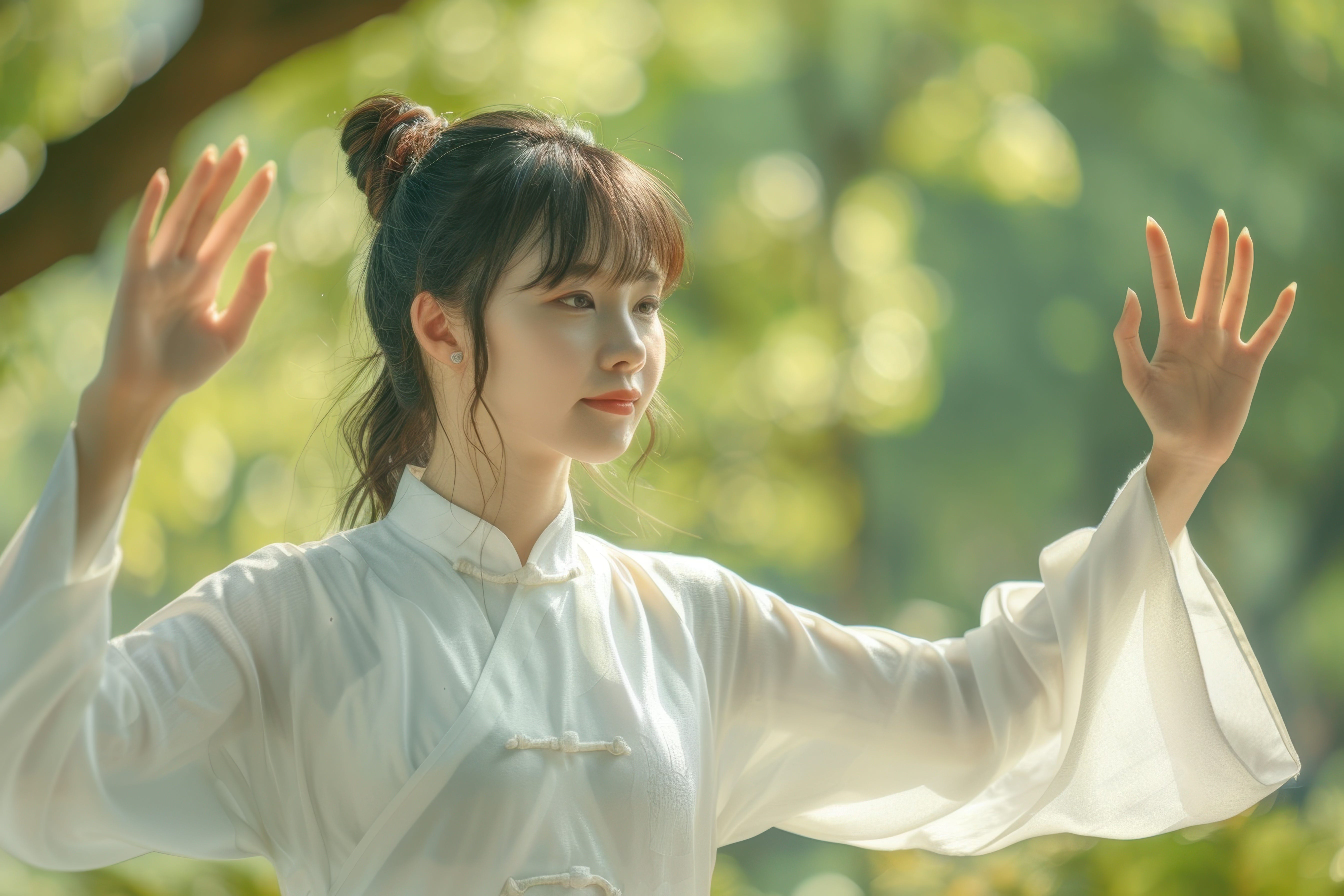
Can Qi Gong Ease Premenstrual Syndrome in Young Women?
A Recent Clinical Study
Premenstrual syndrome (PMS) is often framed as an adult health issue, yet for many girls it begins soon after menarche and can significantly affect daily life during adolescence. Physical discomfort, emotional volatility, fatigue, and difficulty concentrating can disrupt school performance, social relationships, and psychological well-being during a formative period of development. Despite this, adolescent-focused research on PMS management remains limited, particularly when it comes to non-pharmacological approaches.
A recent study published in Bioinformation set out to examine whether Qi Gong, a traditional mind–body practice combining gentle movement, breathing regulation, and meditative attention, could reduce PMS symptoms in adolescent girls. Conducted in North Gujarat, India, the study offers one of the larger clinical examinations to date of Qi Gong as a structured intervention for PMS in a teenage population.
Why PMS in Adolescence Deserves Attention
PMS affects an estimated 30–50% of menstruating females, and adolescents are no exception. During the teenage years, hormonal rhythms are still stabilizing, stress reactivity is often heightened, and emotional regulation skills are still developing. PMS symptoms occurring within this context can feel overwhelming and, in some cases, impair quality of life more profoundly than in adulthood.
Conventional approaches to PMS management frequently rely on medications such as analgesics, hormonal treatments, or antidepressants. While these can be helpful, they may not be ideal for younger populations due to side effects, incomplete symptom relief, or concerns about long-term use. This has led researchers to explore complementary and holistic approaches that address both physical and emotional dimensions of PMS without relying on pharmaceuticals.
Qi Gong, rooted in traditional Chinese health practices, has gained attention in recent years for its effects on stress regulation, mood, pain perception, and overall well-being. While several studies have examined its effects in adults, far fewer have focused on adolescents. This study aimed to help fill that gap.
How the Study Was Designed
The researchers used a quasi-experimental pretest–posttest design, meaning PMS symptoms were measured before and after a Qi Gong intervention within the same group of participants. A total of 231 adolescent girls aged 13–17 years, all experiencing PMS, were recruited from selected schools in North Gujarat using stratified random sampling.
Participants took part in a structured Qi Gong program lasting four weeks. Sessions were held five times per week, each lasting 45 minutes, and were conducted under supervision. The practice emphasized slow, controlled movements, coordinated breathing, and meditative focus. Rather than occasional or informal practice, the intervention was designed to provide consistent and repeated exposure over a relatively short period.
PMS symptoms were assessed using a demographic questionnaire and a modified PMS scale. Statistical analysis compared symptom severity before and after the intervention using paired t-tests and chi-square tests, with significance set at p < 0.05.
What the Researchers Found
The results showed a clear and statistically significant reduction in PMS severity following the Qi Gong intervention. Average PMS scores dropped from 86.46 before the program to 63.22 afterward, representing a mean reduction of over 23 points. This change was highly significant, with a p-value of less than 0.001, indicating that the improvement was very unlikely to be due to chance.
Perhaps more striking was the shift in how symptoms were categorized. Before the intervention, only about one-fifth of participants were classified as having mild PMS. After four weeks of Qi Gong practice, nearly three-quarters of the girls fell into the mild PMS category. This suggests that the intervention did not merely reduce symptom scores on paper but meaningfully altered the lived experience of PMS for many participants.
The variability of symptoms also decreased after the intervention, indicating more consistent improvement across the group rather than isolated benefits in only a subset of participants.
Lifestyle and Biological Context
In addition to measuring overall symptom change, the study explored how PMS severity related to demographic and lifestyle factors. Significant associations were observed with age, physical exercise habits, menstrual cycle characteristics, duration of menstrual flow, family history of PMS, and the number of days PMS symptoms were experienced each cycle.
These findings reinforce the idea that PMS is not driven by hormones alone. Lifestyle factors, stress exposure, and biological rhythms all appear to play a role. Interventions like Qi Gong may be particularly well suited to this complexity because they target stress regulation, body awareness, and emotional stability alongside physical symptoms.
Why Might Qi Gong Help?
Although this study did not directly measure physiological mechanisms, the authors contextualized their findings within existing research. Qi Gong has been linked in prior studies to improved regulation of the hypothalamic–pituitary–adrenal (HPA) axis, reductions in stress hormones such as cortisol, and increased parasympathetic nervous system activity. These changes are associated with improved emotional regulation, reduced pain sensitivity, and greater hormonal stability.
From a practical standpoint, Qi Gong may help adolescents develop greater awareness of bodily sensations, calmer breathing patterns, and a sense of agency over their symptoms. As the authors note, “Qi Gong therapy offers a holistic, non-invasive approach for managing PMS by addressing both physiological and emotional dimensions to the condition.”
How This Fits with Existing Research
The study’s findings align with earlier research showing benefits of Qi-based and mind–body interventions for PMS and related conditions. Prior studies have reported reductions in pain, anxiety, depression, and emotional distress following Qi Gong, acupuncture, or meditation-based practices. What distinguishes this study is its focus on adolescents and its relatively large sample size.
Compared with pharmacological treatments, Qi Gong offers a low-risk option that can be practiced independently once learned. For adolescents, this combination of safety, accessibility, and self-regulation may be especially valuable.
Why This Study Matters
This research contributes meaningful evidence to the growing body of literature supporting non-pharmacological approaches to reproductive and emotional health. By demonstrating significant improvements in PMS symptoms within just four weeks, the study suggests that Qi Gong could be a practical addition to adolescent health programs, school-based wellness initiatives, or clinical recommendations for PMS management.
While longer-term studies and controlled trials would strengthen the evidence base, the current findings offer a compelling case for further exploration of Qi Gong as a supportive therapy during adolescence.
Conclusion
The study provides strong evidence that a structured Qi Gong program can significantly reduce PMS symptoms in adolescent girls, shifting many from moderate or severe symptom profiles into a milder range. By addressing both emotional and physical aspects of PMS, Qi Gong offers a holistic, non-invasive approach that may be particularly well suited to younger populations.
As interest continues to grow in integrative health strategies, this research highlights the potential role of mind–body practices in supporting adolescent well-being during a critical stage of development.
Reference (APA)
Tejmalji, V. P., Mahalakshmi, B., & Subramanian, N. S. (2025). Impact of Qi Gong therapy for managing premenstrual syndrome among adolescent girls. Bioinformation, 21(2), 132–136
Like what you read? Keep exploring…
If this post resonated with you, you’ll love my book:
An Uncarved Life: A Daoist Guide to Struggle, Harmony, and Potential
This book blends timeless Daoist wisdom with real-world insight into how we can navigate struggle, cultivate inner peace, and live in alignment with our deeper potential. Drawing from classical texts like the Dao De Jing and integrating modern psychology and neuroscience, An Uncarved Life offers a grounded, poetic, and deeply personal guide to living well in a chaotic world.
Whether you’re seeking clarity, calm, or a more meaningful path forward, this book is a companion for anyone who wants to walk the Way with sincerity and strength.
Available now in print, Kindle, and audiobook formats.
Click here to get your copy on Amazon


