

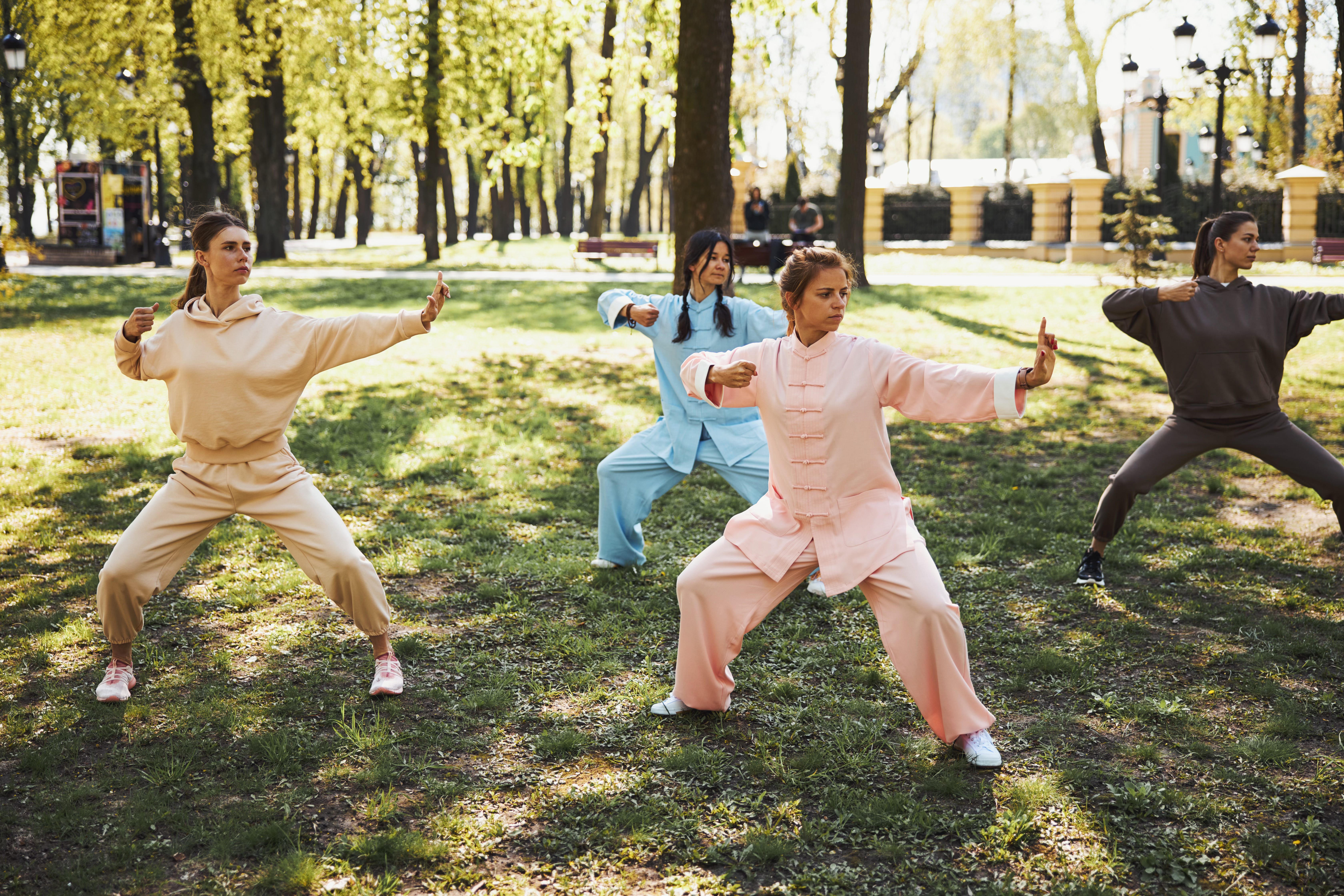
In a 2026 study published in Complementary Therapies in Medicine, Liang and colleagues examined whether the traditional Chinese exercise Baduanjin could support recovery in patients who had experienced an acute myocardial infarction and were treated with percutaneous coronary intervention (PCI). The researchers conducted a systematic review and meta-analysis of randomized controlled trials to evaluate whether this gentle movement practice could improve cardiac function, exercise capacity, and psychological health during rehabilitation.
The Rehabilitation Challenge After Heart Attack
Heart attacks remain one of the leading causes of death and disability worldwide. Even when modern treatments such as PCI successfully reopen blocked coronary arteries, recovery can be slow. Many patients leave the hospital with reduced cardiac function, limited exercise tolerance, and persistent fatigue. Psychological distress is also common, with anxiety and depressive symptoms frequently appearing during the recovery period.
Cardiac rehabilitation programs attempt to address these problems through structured exercise and medical management. The difficulty is that many patients early in recovery cannot tolerate demanding physical training. Gentle forms of movement that still stimulate cardiovascular adaptation have therefore become an area of growing interest in rehabilitation medicine.
What Baduanjin Is
Baduanjin is a traditional Chinese exercise composed of eight coordinated movements performed slowly with controlled breathing and focused attention. The movements involve lifting the arms, turning the torso, shifting weight, and coordinating breath with posture.
Because the practice emphasizes smooth motion rather than physical strain, it is widely used in China as a form of therapeutic exercise. The movements can usually be performed safely by older adults and patients with limited physical capacity. For this reason, Baduanjin has increasingly been introduced into cardiac rehabilitation settings.
What the Researchers Did
To examine the available evidence, the authors conducted a systematic review and meta-analysis of randomized controlled trials. They searched multiple scientific databases and identified thirteen studies involving 1,293 patients who had experienced myocardial infarction and undergone PCI.
Participants in the studies were assigned either to standard rehabilitation care or to rehabilitation programs that included Baduanjin practice. The exercise intervention was introduced at different points in recovery, ranging from the first days after PCI to several weeks after hospital discharge. The duration of the programs varied between two weeks and six months.
The primary outcomes evaluated were left ventricular ejection fraction, a measure of how effectively the heart pumps blood, and the six-minute walk distance, which measures functional exercise capacity. Secondary outcomes included quality of life, symptoms of anxiety and depression, and the occurrence of adverse cardiovascular events.
Improvements in Cardiac Function
Across the pooled trials, patients who practiced Baduanjin experienced greater improvements in cardiac function than those receiving standard rehabilitation alone. On average, left ventricular ejection fraction increased by about 6.2 percentage points in the Baduanjin groups.
This finding indicates stronger pumping ability of the heart during recovery. Improvements in cardiac function after myocardial infarction are closely associated with better long-term prognosis and reduced risk of heart failure.
Improvements in Physical Capacity
Functional endurance also improved. Patients performing Baduanjin walked approximately 60 meters farther during the six-minute walk test than those in control groups.
The six-minute walk test is commonly used in cardiac rehabilitation to evaluate how well patients tolerate everyday physical activity. A meaningful increase in walking distance suggests improved cardiovascular efficiency and greater confidence in movement during recovery.
Effects on Quality of Life and Mental Health
Several studies in the analysis measured quality of life using standardized questionnaires. Patients practicing Baduanjin reported better scores on instruments such as the Seattle Angina Questionnaire and other health-related quality-of-life scales.
The analysis also found improvements in psychological measures. Scores for anxiety and depression declined in the Baduanjin groups when assessed with instruments such as the Hamilton Anxiety Rating Scale and the Patient Health Questionnaire. These results indicate that the exercise program was associated not only with physical recovery but also with improved emotional well-being.
Physiological Interpretation
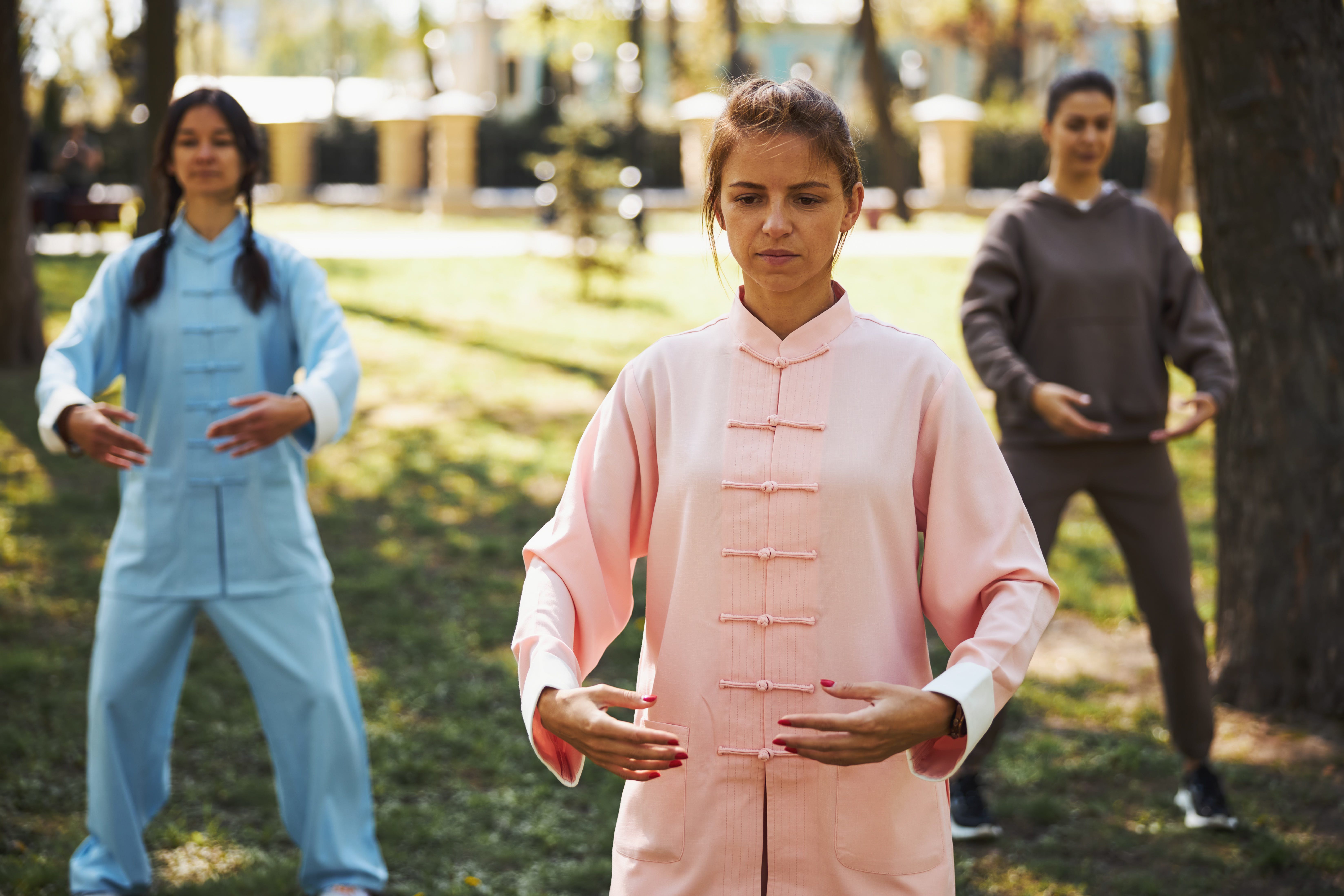
Baduanjin combines slow physical movement with controlled breathing and sustained attention. This combination creates a mild aerobic stimulus while also influencing autonomic regulation.
Coordinated breathing patterns can increase parasympathetic nervous system activity and reduce sympathetic overactivation. This shift in autonomic balance supports cardiovascular stability during recovery. The practice may also influence vascular function through improved endothelial activity and nitric oxide signaling.
In addition, the attentional component of the exercise engages brain networks involved in stress regulation. Reduced stress signaling through neuroendocrine pathways may contribute to improvements in mood and overall recovery.
A System-Level Pattern
When the outcomes of these studies are considered together, a consistent pattern appears. Improvements in cardiac pumping ability were accompanied by increases in walking distance and better scores on quality-of-life questionnaires. Measures of anxiety and depression declined at the same time.
These changes point toward improvements in overall physiological regulation rather than isolated effects on a single outcome. Cardiac function, physical capacity, and emotional state appear to improve together during rehabilitation.
Safety Findings
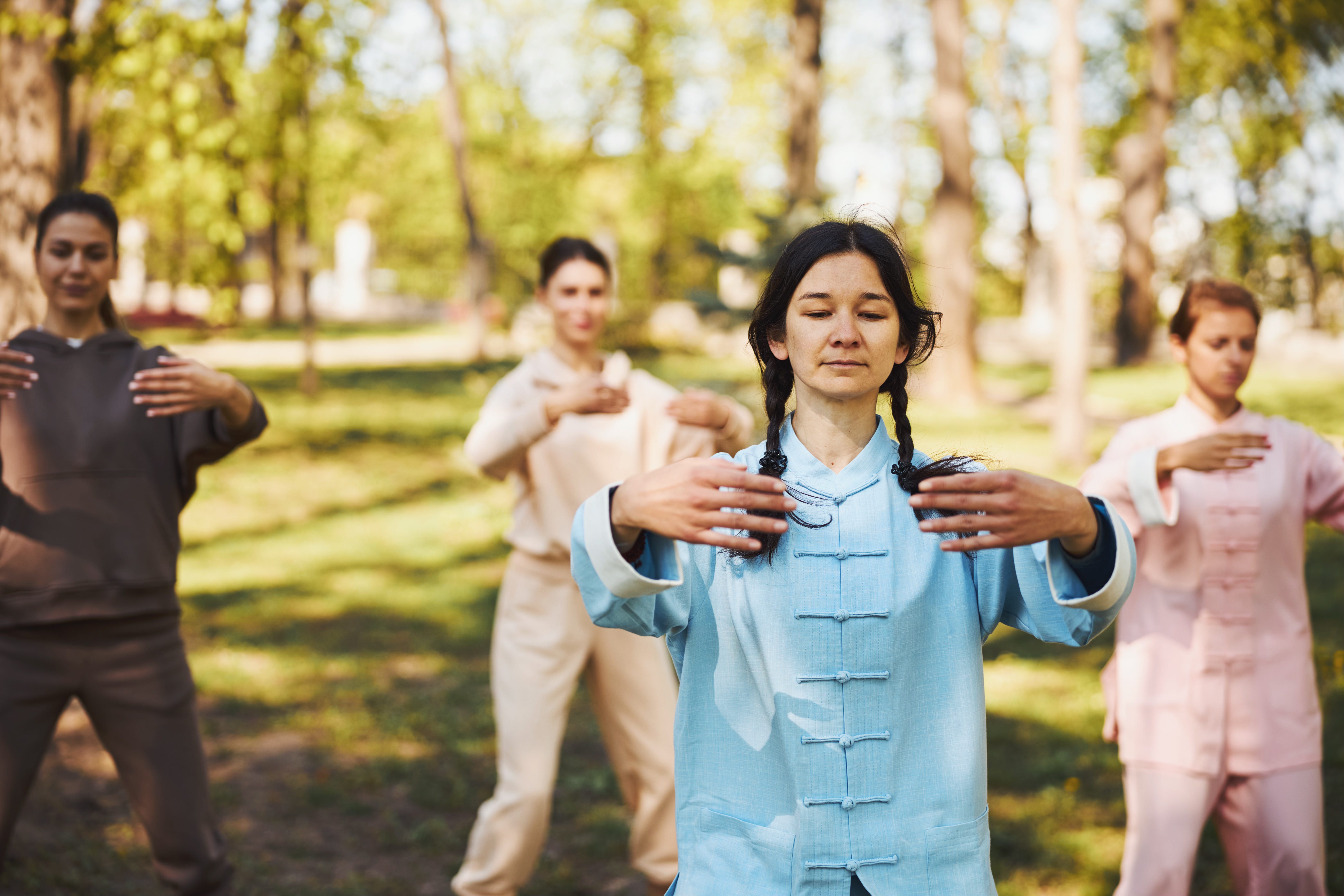
Safety is an important consideration in cardiac rehabilitation. The analysis found no evidence that Baduanjin increased the risk of adverse events. In several studies, cardiovascular complications occurred less frequently in the exercise groups than in the control groups.
This pattern indicates that the practice can be incorporated into rehabilitation programs with a favorable safety profile when used appropriately.
Limitations of the Evidence
Despite the positive findings, several limitations remain. All of the included trials were conducted in China, and the study populations may not fully represent patients in other healthcare systems.
Many trials had relatively small sample sizes, and there was variation in how Baduanjin was taught and practiced. Differences in intervention duration and accompanying rehabilitation programs also contributed to statistical variability across studies. The authors rated the overall risk of bias in the included trials as high, indicating the need for larger and more rigorously designed studies.
Final Perspective
The available evidence indicates that Baduanjin may offer a useful addition to cardiac rehabilitation after myocardial infarction treated with PCI. Patients who practiced the exercise experienced improvements in cardiac function, exercise capacity, quality of life, and emotional well-being without increased safety concerns.
For clinicians and rehabilitation specialists, this form of low-intensity mind-body exercise may provide a practical way to introduce structured movement during recovery. As research continues, Baduanjin may become an increasingly recognized component of integrative cardiac rehabilitation.
Reference
Liang, S.-B., Li, Y.-F., Zhang, Y.-Y., Wei, K.-K., Zhu, Y.-S., Robinson, N., Liu, J.-P., Wang, Y.-F., & Li, Y.-L. (2026). Is Baduanjin beneficial and safe for the rehabilitation of patients with acute myocardial infarction undergoing percutaneous coronary intervention? A systematic review and meta-analysis of randomised controlled trials. Complementary Therapies in Medicine, 98, 103345

Like what you read? Keep exploring…

If this post resonated with you, you may enjoy my new book:
The Science of Medical Qigong: How Breath, Movement, and Attention Transform the Body
This book examines the growing body of scientific research exploring how Qigong practice influences human physiology. Drawing from clinical trials and experimental studies, it explains how coordinated breathing, posture, movement, and focused attention interact with the body’s regulatory systems.
The book explores research on:
• autonomic nervous system regulation
• cardiovascular function and blood pressure
• respiratory mechanics and lung capacity
• sleep quality and recovery
• inflammatory and immune signaling
• brain function and neural plasticity
• cognitive performance and mental health
Rather than presenting Qigong through mystical language, The Science of Medical Qigong approaches the subject through physiology, neuroscience, and clinical research, offering a clear explanation of how regular practice can influence the coordination and harmony of the body’s systems.
Available now in print, Kindle, and audiobook formats.
Click here to get your copy on Amazon