


Most people start Qigong hoping for practical results. Lower blood pressure. Better sleep. Less daily tension. What many don’t realize at first is that these benefits often trace back to one key system in the body: the autonomic nervous system.
This system runs quietly in the background. It controls heart rate, blood pressure, breathing rhythm, digestion, and how well we recover from stress. When it stays flexible, the body shifts smoothly between effort and rest. When it gets stuck in high-alert mode, many common problems appear.
Structured Medical Qigong trains this system through consistent, gentle practice.
The Two Main Branches
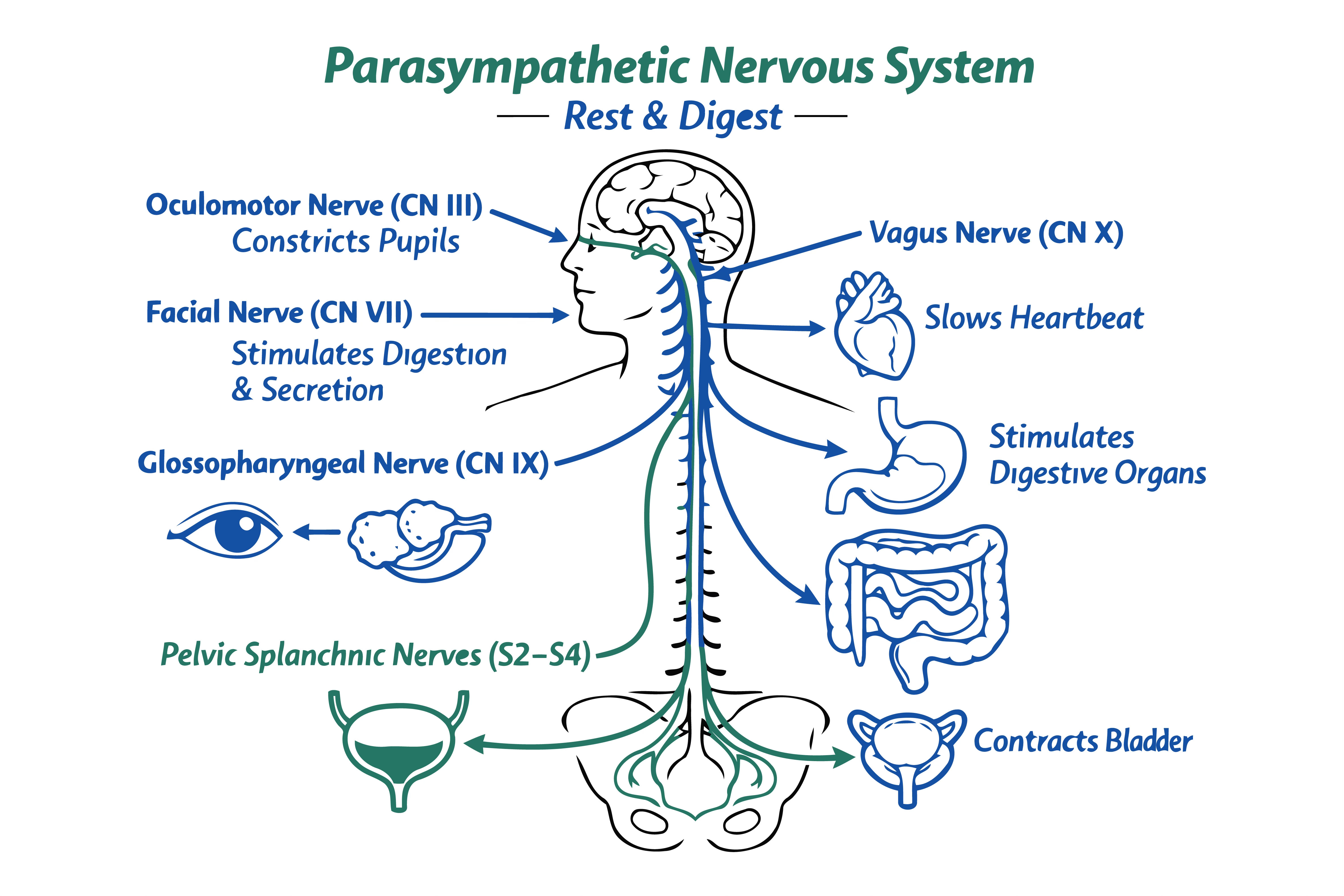
The autonomic nervous system has two primary branches that need to work together.
The sympathetic branch activates the body for action. It raises heart rate and blood pressure when needed. The parasympathetic branch supports recovery and repair. It slows things down so the body can rest and restore itself.
Health depends on the ability to move easily between these two states. Many people today spend too much time in sympathetic dominance because of ongoing low-level stress. That pattern can keep blood pressure elevated, make sleep difficult, and leave the nervous system struggling to recover fully.
How Qigong Trains Better Regulation
Research on structured Qigong points to four consistent elements that influence autonomic function.
Slow diaphragmatic breathing, especially around four to six breaths per minute, strengthens vagal tone. This creates a natural variation in heart rate with each breath. Coordinated low-load movement synced with the breath adds gentle oscillations in blood flow and stimulates the baroreflex, the body’s natural blood pressure stabilizer. Upright but relaxed posture reduces unnecessary muscle tension that feeds chronic activation. Sustained attention on breath and movement helps quiet mental chatter.
Practiced together over time, these elements create autonomic conditioning. The nervous system gets better at making smooth transitions between action and recovery.
What the Studies Show
On blood pressure, multiple reviews of randomized trials show consistent reductions. In people with hypertension, systolic pressure often drops by 9 to 17 mmHg. These changes link to improved baroreflex sensitivity and lower sympathetic drive on the blood vessels.
For sleep, studies using the Pittsburgh Sleep Quality Index report better sleep onset, fewer nighttime awakenings, and improved overall efficiency. These gains usually appear after eight to twelve weeks and continue building with regular practice.
Heart rate variability, a key marker of autonomic flexibility, also improves in several trials. Higher variability generally means the body recovers more efficiently after stress. This matches reports of reduced perceived stress and anxiety.
The effects are moderate, which is typical for a behavioral training method. They tend to show up most clearly in people who start with some level of autonomic dysregulation.
A Practical Training Approach
Qigong does not target single symptoms in isolation. It works with the upstream regulatory system that influences many areas at once. When autonomic flexibility improves, benefits often appear across blood pressure stability, sleep quality, stress recovery, and energy levels.
The changes build gradually. Most studies showing clear results used programs of eight to twenty-four weeks with practice several times per week. Like any form of training, the benefits depend on consistency and tend to fade if the practice stops.
Like what you read? Keep exploring…

If this post resonated with you, you may enjoy my new book:
The Science of Medical Qigong: How Breath, Movement, and Attention Transform the Body
This book examines the growing body of scientific research exploring how Qigong practice influences human physiology. Drawing from clinical trials and experimental studies, it explains how coordinated breathing, posture, movement, and focused attention interact with the body’s regulatory systems.
The book explores research on:
• autonomic nervous system regulation
• cardiovascular function and blood pressure
• respiratory mechanics and lung capacity
• sleep quality and recovery
• inflammatory and immune signaling
• brain function and neural plasticity
• cognitive performance and mental health
Rather than presenting Qigong through mystical language, The Science of Medical Qigong approaches the subject through physiology, neuroscience, and clinical research, offering a clear explanation of how regular practice can influence the coordination and harmony of the body’s systems.
Available now in print and Kindle formats.